Dark underarms are common and can affect confidence, especially when wearing sleeveless clothes. The skin in this area is thin, folded, sweaty, and exposed to friction from shaving, tight clothing, deodorants, and repeated rubbing. Sometimes dark underarms are only post-irritation pigmentation, but if the skin is thick, velvety, itchy, spreading, or appearing suddenly, it may be linked with conditions such as insulin resistance, hormonal imbalance, or acanthosis nigricans. Natural remedies can help improve texture, calm irritation, reduce dullness, and support gradual brightening, but they must be gentle. Avoid harsh scrubbing, lemon juice, baking soda, toothpaste, and strong acids on underarms because irritation can make pigmentation worse.
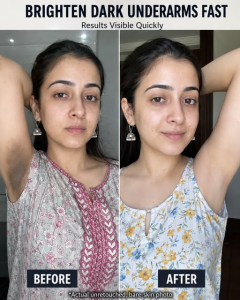
Remedy 1: For Normal Skin
Aloe, Oat, Honey and Licorice Brightening Mask
Ingredients:
Aloe vera gel: 1 tablespoon, helps calm irritation and supports healthy skin recovery.
Finely powdered oats: 1 teaspoon, soothes friction-stressed skin and supports the skin barrier.
Raw honey: 1 teaspoon, acts as a humectant and supports healing of minor irritation.
Licorice root powder: ¼ teaspoon, supports even-looking skin by helping reduce excess melanin activity.
Plain yogurt: 1 teaspoon, provides mild lactic acid for gentle exfoliation.
Rose water: 1 teaspoon, cools the area and makes the mask smooth.
Scientific Working of Each Ingredient
Aloe contains compounds such as aloesin that are studied for their role in reducing melanin production. Oats contain beta-glucans, lipids, and anti-inflammatory compounds that reduce dryness and rubbing-related irritation. Honey keeps the skin moist and supports repair, which is important because irritated underarm skin often becomes darker. Licorice contains glabridin and related compounds that help target pigmentation pathways. Yogurt provides mild lactic acid, which loosens dull dead cells without aggressive scrubbing.
Procedure:
Mix all ingredients into a smooth paste. Wash the underarms with lukewarm water and pat dry. Apply a thin layer and leave it for 10 minutes. Rinse gently without rubbing and dry completely.
How Often to Apply:
Use once daily for 5 days, then 3 times weekly.
Initial Results:
Within 1–3 days, the skin may feel smoother, less rough, and less irritated. True pigmentation fading usually needs 3–6 weeks.
Remedy 2: For Combination Skin
Green Tea, Rice Water and Aloe Cooling Pack
Ingredients:
Brewed green tea: 2 teaspoons, provides antioxidant support.
Aloe vera gel: 1 tablespoon, calms the skin.
Rice water: 1 tablespoon, softens and hydrates dull skin.
Honey: ½ teaspoon, prevents over-drying.
Oat flour: 1 teaspoon, gives mild soothing texture.
Licorice powder: ¼ teaspoon, supports brightening.
Scientific Working of Each Ingredient
Green tea polyphenols help reduce oxidative stress and inflammation, both of which can worsen post-irritation darkness. Aloe supports calmer skin after shaving or sweating. Rice water gives a light softening effect and improves the feel of rough skin. Honey balances moisture so the underarms do not become tight. Oat flour reduces friction sensitivity, while licorice supports a more even-looking tone.
Procedure:
Prepare strong green tea and let it cool fully. Mix it with aloe, rice water, honey, oat flour, and licorice. Apply to clean underarms for 8–10 minutes. Rinse with cool water and dry well before wearing clothes.
How Often to Apply:
Apply on alternate days for 5 days, then twice weekly.
Initial Results:
In 1–3 days, sweating-related discomfort and dull surface buildup may feel reduced. Tone improvement is gradual.
Remedy 3: For Oily Skin
Cucumber, Green Tea and Yogurt Clarifying Mask
Ingredients:
Cucumber juice: 1 tablespoon, cools and hydrates.
Plain yogurt: 1 teaspoon, gives mild lactic acid exfoliation.
Green tea: 1 tablespoon, supports antioxidant defense.
Aloe vera gel: 1 teaspoon, soothes after sweat and friction.
Oat powder: 1 teaspoon, absorbs excess oil gently.
Honey: ½ teaspoon, protects moisture balance.
Scientific Working of Each Ingredient
Oily underarms can collect sweat, dead cells, and deodorant residue, making the area look darker. Yogurt’s lactic acid helps lift dull buildup mildly. Green tea supports the skin against oxidative stress caused by sweat and friction. Cucumber adds water-rich cooling, while aloe reduces irritation. Oat powder absorbs excess surface oil without the harshness of scrubs. Honey prevents the mask from becoming too drying.
Procedure:
Mix all ingredients into a light paste. Apply after cleansing and drying the underarms. Leave for 7–8 minutes only. Rinse thoroughly and avoid deodorant for at least 30 minutes afterward.
How Often to Apply:
Use once daily for 3 days, then every other day for the next week.
Initial Results:
Within 1–3 days, the area may feel cleaner, less sticky, and smoother. Pigmentation takes longer to fade.
Remedy 4: For Dry Skin
Creamy Oat, Honey and Aloe Repair Mask
Ingredients:
Finely ground oats: 1 tablespoon, supports the skin barrier.
Aloe vera gel: 1 tablespoon, calms dryness and irritation.
Honey: 1 teaspoon, attracts and holds moisture.
Cold milk: 1 teaspoon, gives mild lactic acid and softness.
Mashed ripe banana: 1 teaspoon, adds a soft moisturizing texture.
Licorice powder: ¼ teaspoon, supports an even tone.
Scientific Working of Each Ingredient
Dry underarm skin can darken because micro-cracks and friction trigger inflammation. Oats help strengthen the barrier and reduce itchiness. Aloe reduces redness and supports skin recovery. Honey improves hydration and healing. Milk gives very mild lactic acid exfoliation, helping remove dry flakes gently. Banana adds a soft emollient feel. Licorice supports gradual brightening by targeting pigment formation pathways.
Procedure:
Mash the banana well and mix with the other ingredients. Apply a thin, creamy layer to clean underarms. Leave for 10 minutes. Rinse gently and pat dry. Wear loose cotton clothing afterward.
How Often to Apply:
Use daily for 5 days, then 2–3 times weekly.
Initial Results:
Within 1–3 days, dryness, tightness, and rough texture may improve. Dark patches need consistent care for several weeks.
Remedy 5: For Sensitive Skin
Ultra-Gentle Oat, Aloe and Honey Soothing Compress
Ingredients:
Colloidal oat powder or very fine oat flour: 1 tablespoon, calms sensitive skin.
Aloe vera gel: 1 tablespoon, supports irritation relief.
Honey: ½ teaspoon, helps moisture and repair.
Cooled chamomile tea: 1 tablespoon, gives a soothing compress effect.
Rice water: 1 teaspoon, softens the skin.
Licorice powder: a tiny pinch only, supports mild tone-evening.
Scientific Working of Each Ingredient
Sensitive underarms need barrier repair before brightening. Oats are one of the best-studied natural soothing ingredients for irritated and dry skin. Aloe reduces discomfort caused by shaving, sweat, or friction. Honey helps prevent dryness and supports healing. Chamomile is traditionally soothing, but it should be avoided by anyone allergic to ragweed or daisies. Rice water softens without strong exfoliation. A very small amount of licorice gives mild pigment support without making the mixture too active.
Procedure:
Mix into a thin paste. Apply for only 5–7 minutes. Rinse with cool water. Do not rub with a towel; press dry gently.
How Often to Apply:
Use every other day for 5 days. Continue twice weekly if there is no irritation.
Initial Results:
In 1–3 days, sensitive skin may look calmer and feel less itchy or rough. Brightening will be slow because sensitive skin must not be forced with harsh exfoliation.
Final Tips
Do a patch test on the inner arm for 24 hours before using any underarm remedy. Stop immediately if burning, itching, rash, swelling, or increased darkness appears. Keep underarms dry, wear loose breathable clothes, avoid repeated shaving, and do not scrub. Clean razors and towels regularly. Avoid alcohol-heavy fragrance products if they sting. Drink enough water, sleep 7–8 hours, and reduce friction as much as possible. Visible softness and freshness may begin within 2–3 days, while glow and pigmentation improvement usually require 3–6 weeks of steady care.
Diet Plan
Continue the remedies for 4–6 weeks if your skin tolerates them. Along with this, follow a skin-supportive diet. Start the morning with water and a vitamin C-rich fruit such as orange, guava, kiwi, or amla. Eat protein daily through eggs, lentils, beans, fish, chicken, yogurt, or tofu because skin repair needs amino acids. Add green vegetables, carrots, tomatoes, nuts, seeds, and whole grains. Reduce excess sugar, sweet drinks, and highly processed snacks, especially if the underarm skin looks thick or velvety, because this may be connected with insulin resistance. If dark underarms persist, spread, become thick and velvety, smell unusual, itch, or return quickly, see a doctor or dermatologist to rule out fungal infection, eczema, hormonal issues, diabetes, or acanthosis nigricans.
References for the above remedy
- American Academy of Dermatology Association. “Acanthosis nigricans: Diagnosis and treatment.” URL: https://www.aad.org/public/diseases/a-z/acanthosis-nigricans-treatment (American Academy of Dermatology)
- DermNet NZ. “Acanthosis nigricans.” URL: https://dermnetnz.org/topics/acanthosis-nigricans (DermNet®)
- Jones, K. et al. “Modulation of melanogenesis by aloesin: a competitive inhibitor of tyrosinase.” PubMed. URL: https://pubmed.ncbi.nlm.nih.gov/12213089/ (PubMed)
- Hollinger, J. C. et al. “Are Natural Ingredients Effective in the Management of Hyperpigmentation? A Systematic Review.” URL: https://pmc.ncbi.nlm.nih.gov/articles/PMC5843359/ (PMC)
- Ilnytska, O. et al. “Colloidal oatmeal improves skin barrier through multi-therapy activity.” PubMed. URL: https://pubmed.ncbi.nlm.nih.gov/27272074/ (PubMed)
- Reynertson, K. A. et al. “Anti-inflammatory activities of colloidal oatmeal.” PubMed. URL: https://pubmed.ncbi.nlm.nih.gov/25607907/ (PubMed)
- Al-Niaimi, F., & Chiang, N. Y. Z. “Topical Vitamin C and the Skin: Mechanisms of Action and Clinical Applications.” URL: https://pmc.ncbi.nlm.nih.gov/articles/PMC5605218/ (PMC)
- Dayal, S. et al. “Clinical efficacy and safety of glycolic peel, lactic peel, and vitamin C in post-acne hyperpigmentation.” PubMed. URL: https://pubmed.ncbi.nlm.nih.gov/27380862/ (PubMed)
- Tashkandi, H. “Honey in wound healing: An updated review.” URL: https://pmc.ncbi.nlm.nih.gov/articles/PMC8496555/ (PMC)
- Di Sotto, A. et al. “Efficacy and Safety of Oral Green Tea Preparations in Skin Ailments.” URL: https://pmc.ncbi.nlm.nih.gov/articles/PMC9370301/ (PMC)