
Bloating can make the abdomen feel unusually full, tight, or uncomfortable. It may occur after large meals, eating too quickly, constipation, carbonated drinks, food intolerances, or changes in normal digestion. For occasional mild bloating, simple dietary habits and adequate fluid intake may help. Cumin water is a traditional digestive drink that may be useful as part of this routine, although direct clinical evidence that cumin water specifically treats bloating is limited.
Cumin contains aromatic compounds such as cuminaldehyde, along with other plant constituents that have been investigated for digestive and antioxidant effects. The following recipe is therefore best viewed as a supportive home drink rather than a medically proven treatment for persistent abdominal bloating.
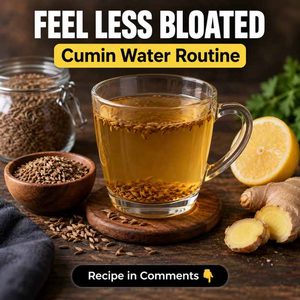
Remedy: Warm Cumin Water for Digestive Comfort
Scientific Working of Cumin Water
Cumin: Traditional Digestive Support
Cumin (Cuminum cyminum) contains volatile oils and other bioactive compounds.
Potential digestive benefits include:
- Cuminaldehyde and volatile oils: Give cumin its characteristic aroma and have demonstrated biological activity in experimental research.
- Plant polyphenols: Provide antioxidant activity.
- Digestive support: Cumin has a long history of culinary and traditional use for digestive discomfort.
- Carminative potential: Aromatic spices are traditionally used to support the movement and release of intestinal gas.
However, laboratory or traditional evidence should not be confused with strong clinical evidence. There is currently limited high-quality research specifically demonstrating that cumin water alone reliably reduces bloating in humans.
Warm Water: Hydration and Digestive Routine
Warm water itself does not “melt” abdominal fat or rapidly flatten the stomach. Its main benefit is providing fluid.
Adequate hydration supports normal digestion and helps prevent constipation, which can contribute to bloating.
Lemon: Flavor and Vitamin C
A small amount of lemon can improve flavor and contributes vitamin C, but it is not necessary for the anti-bloating effect. People with acid reflux or a sensitive stomach may prefer to leave it out.
Ingredients
1. Cumin seeds – 1 teaspoon
Provides aromatic oils and plant compounds traditionally associated with digestive support.
2. Water – 2 cups (about 475 ml)
Provides hydration and creates the infusion.
3. Fresh lemon juice – 1 teaspoon
Adds flavor and a small amount of vitamin C.
4. Fresh ginger – 2–3 thin slices
Adds aromatic compounds and is traditionally used for digestive comfort.
5. Fresh mint leaves – 4–5 leaves
Provides a refreshing flavor and aromatic plant compounds.
Procedure: How to Prepare Cumin Water
- Add 2 cups of water to a saucepan.
- Add 1 teaspoon of cumin seeds.
- Add the ginger slices.
- Bring the mixture to a gentle boil.
- Reduce the heat and simmer for approximately 5 minutes.
- Turn off the heat and allow it to cool slightly.
- Strain the seeds and ginger.
- Add mint leaves.
- Add lemon juice if tolerated.
- Drink the preparation while comfortably warm.
Prepare it fresh rather than storing it for several days.
How Often to Drink
Start with 1 cup once daily, preferably after a meal.
Continue for 3–5 days while observing how your digestive system responds. If it causes heartburn, stomach irritation, diarrhea, or other discomfort, discontinue it.
There is no established clinical dose or duration for cumin water specifically for bloating, so consuming large quantities is not recommended.
Initial Results Within 1–3 Days
If your bloating is related to temporary gas, a large meal, or mild digestive discomfort, you may notice:
- Less feeling of abdominal fullness.
- A more comfortable stomach after meals.
- Improved fluid intake.
- Reduced discomfort associated with occasional gas.
Results vary considerably between individuals. Cumin water should not be presented as a guaranteed three-day solution.
Cumin Water According to Different Digestive Needs
For Occasional Bloating
Use:
- Cumin seeds – 1 teaspoon
- Water – 2 cups
- Ginger – 2 slices
Keep the preparation simple and drink one cup after a meal.
For Bloating With Constipation
Use:
- Cumin seeds – 1 teaspoon
- Water – 2 cups
- Mint – 4–5 leaves
More importantly, increase dietary fiber gradually and drink sufficient water. Constipation itself can be an important contributor to bloating.
For Sensitive Stomachs
Use:
- Cumin seeds – ½ teaspoon
- Water – 2 cups
Avoid lemon and ginger initially. A simpler preparation makes it easier to identify whether cumin agrees with you.
For Evening Digestive Comfort
Use:
- Cumin seeds – 1 teaspoon
- Water – 2 cups
- Mint leaves – 4–5
Drink a small cup after dinner rather than consuming a large amount immediately before bed.
Final Tips to Feel Less Bloated
Cumin water works best as part of broader digestive habits.
- Eat meals slowly and chew food thoroughly.
- Avoid drinking large quantities of carbonated beverages.
- Limit foods that you know consistently trigger your symptoms.
- Increase fiber gradually rather than suddenly.
- Drink adequate water throughout the day.
- Regular walking can support normal bowel function.
- Avoid very large meals, particularly late at night.
- Keep a food-and-symptom diary if bloating occurs frequently.
If bloating repeatedly occurs despite dietary changes, the underlying cause should be investigated rather than continually adding new home remedies.
Diet Plan for a Less-Bloated Feeling
Morning
Start the day with water and a balanced breakfast such as:
- Eggs
- Oatmeal
- Plain yogurt if dairy is well tolerated
- Banana or another fruit
Lunch
Choose:
- Lean protein such as chicken, fish, or lentils
- Cooked vegetables
- Rice or whole-grain roti
Eat slowly and avoid overeating.
Evening
Choose:
- A small portion of nuts
- Fruit
- Unsweetened tea
A cup of cumin water can be used here if it suits you.
Dinner
Keep the meal moderate in size:
- Protein
- Cooked vegetables
- A moderate serving of rice or roti
Avoid very large meals close to bedtime.
Continue these habits for 1–2 weeks and monitor whether bloating improves.
If bloating persists for more than a couple of weeks, becomes frequent or severe, or interferes with normal activities, consult a doctor. Seek prompt medical attention if bloating occurs with severe abdominal pain, persistent vomiting, blood in stool, unexplained weight loss, fever, or a markedly swollen abdomen.
References for the above remedy
- National Center for Biotechnology Information. Cuminum cyminum and its phytochemical and pharmacological properties.
https://www.ncbi.nlm.nih.gov/pmc/articles/PMC3218430/ - National Center for Biotechnology Information. Review of the phytochemistry and pharmacological activities of cumin.
https://www.ncbi.nlm.nih.gov/pmc/articles/PMC5632915/ - National Center for Complementary and Integrative Health. Ginger: usefulness and safety.
https://www.nccih.nih.gov/health/ginger - National Institute of Diabetes and Digestive and Kidney Diseases. Gas in the digestive tract.
https://www.niddk.nih.gov/health-information/digestive-diseases/gas-digestive-tract - National Institute of Diabetes and Digestive and Kidney Diseases. Treatment for gas in the digestive tract.
https://www.niddk.nih.gov/health-information/digestive-diseases/gas-digestive-tract/treatment - American College of Gastroenterology. Patient information on bloating and distention.
https://gi.org/topics/bloating-and-distention/ - National Center for Complementary and Integrative Health. Peppermint oil and digestive symptoms.
https://www.nccih.nih.gov/health/peppermint-oil - World Health Organization. WHO monographs on selected medicinal plants.
https://www.who.int/publications/i/item/9789241547024