Dark spots and uneven pigmentation are among the most common skin concerns faced by both men and women. These spots can appear due to acne scars, sun exposure, hormonal imbalance, aging, pollution, stress, or improper skincare habits. Many people feel frustrated because dark spots often remain visible for months and make the skin appear dull, tired, and uneven. Natural remedies containing scientifically supported ingredients may help gradually brighten pigmentation, support skin renewal, and improve overall skin texture without harsh irritation. The most important factor is choosing the correct remedy according to skin type and maintaining consistency for at least 21 days.
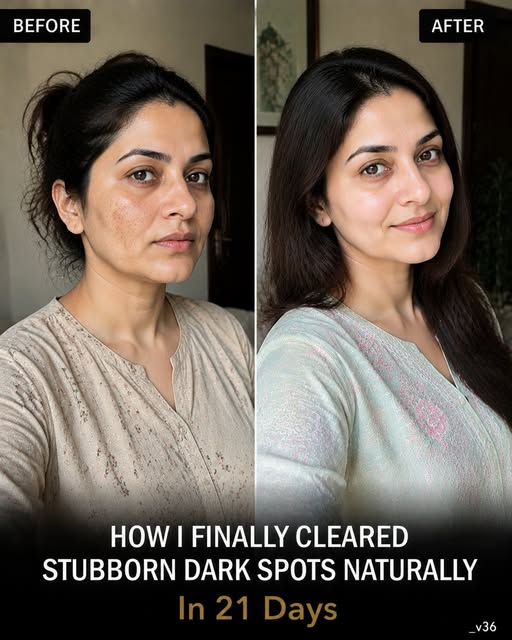
Remedy 1: For Normal Skin – Turmeric and Potato Brightening Therapy
Ingredients
- 1 teaspoon turmeric powder
Contains curcumin that helps reduce oxidative stress linked to pigmentation. - 2 tablespoons potato juice
Rich in catecholase enzymes traditionally used for brightening. - 1 teaspoon honey
Helps maintain skin hydration and barrier function. - 1 teaspoon yogurt
Contains lactic acid for gentle exfoliation. - 1 teaspoon rice flour
Helps smooth uneven texture. - 4 drops rose water
Refreshes and calms the skin.
Scientific Working of This Remedy
Turmeric contains antioxidants that help reduce inflammation and environmental damage. Potato juice contains natural enzymes that may help brighten uneven skin tone gradually. Yogurt provides mild exfoliation through lactic acid, helping remove dead pigmented skin cells. Rice flour supports smoother texture while honey maintains hydration and prevents dryness during treatment.
Procedure
Mix all ingredients until a smooth yellow paste forms. Apply evenly to clean skin, focusing on dark spots and uneven areas. Leave for 15 minutes and rinse gently with cool water.
How Often to Apply
Use daily for 7 days, then continue on alternate days for 21 days.
Initial Results
Skin may appear fresher within 3–4 days. Gradual fading of mild pigmentation can become visible after 2 weeks.
Remedy 2: For Combination Skin – Papaya and Turmeric Spot-Clearing Mask
Ingredients
- 1 teaspoon turmeric powder
Supports brighter-looking skin. - 2 tablespoons mashed papaya
Contains papain enzymes that help remove dead skin buildup. - 1 teaspoon aloe vera gel
Hydrates without clogging pores. - 1 teaspoon cucumber juice
Helps soothe dry and oily zones together. - 1 teaspoon gram flour
Helps absorb excess oil gently. - 1 teaspoon honey
Balances skin moisture naturally.
Scientific Working of This Remedy
Papaya contains enzymes called papain that help dissolve dead surface cells contributing to dullness and spots. Aloe vera supports skin repair and hydration. Turmeric helps reduce inflammation caused by acne or sun exposure. Gram flour assists gentle cleansing without excessive dryness.
Procedure
Blend ingredients into a creamy turmeric-colored mixture. Apply a thin layer evenly across the face. Leave for 15–18 minutes before rinsing.
How Often to Apply
Apply 4 times weekly for 21 days.
Initial Results
Skin may feel smoother within the first week. Uneven tone can gradually improve with regular use.
Remedy 3: For Oily Skin – Tomato Neem Pigmentation Control Remedy
Ingredients
- 1 teaspoon turmeric powder
Helps improve overall brightness. - 1 teaspoon neem powder
Traditionally known for antibacterial support. - 1 tablespoon tomato pulp
Rich in lycopene and natural fruit acids. - 1 teaspoon multani mitti
Absorbs excess oil and impurities. - 1 teaspoon aloe vera gel
Prevents excessive dryness. - 5 drops lemon juice
Provides vitamin C and mild exfoliation.
Scientific Working of This Remedy
Oily skin frequently develops dark spots after acne. Tomato contains antioxidants that may improve uneven skin tone. Neem helps reduce bacteria that can worsen acne marks. Multani mitti controls excess oil while aloe vera helps protect the skin barrier. Lemon juice contains vitamin C which supports skin brightening when used carefully in small quantities.
Procedure
Mix all ingredients into a smooth yellow-brown paste. Apply especially on oily and pigmented areas. Leave for 10–12 minutes only. Wash with cool water.
How Often to Apply
Use on alternate days for 3 weeks.
Initial Results
Within one week, skin may appear cleaner and less greasy. Acne-related marks may begin fading gradually after continued use.
Remedy 4: For Dry Skin – Almond Milk Glow Repair Cream
Ingredients
- 1 teaspoon turmeric powder
Supports skin radiance. - 1 tablespoon raw milk cream
Deeply nourishes dry skin. - 1 teaspoon almond oil
Rich in vitamin E and fatty acids. - 1 teaspoon mashed banana
Softens rough texture naturally. - 1 teaspoon honey
Prevents moisture loss. - 1 teaspoon oat powder
Helps calm irritation and dryness.
Scientific Working of This Remedy
Dry skin tends to accumulate dead cells that make pigmentation appear darker. Almond oil contains antioxidants and vitamin E that support skin barrier repair. Milk cream provides lipids that help nourish dry skin. Banana offers potassium and moisture, while oats help calm dryness-related irritation.
Procedure
Mix ingredients thoroughly until creamy and golden in color. Apply gently over the face and neck. Leave for 20 minutes before rinsing with lukewarm water.
How Often to Apply
Use daily for 5 days, then continue 3 times weekly.
Initial Results
Skin often feels softer after the first use. Dry patches and dullness may improve noticeably within 7–10 days.
Remedy 5: For Sensitive Skin – Rice and Aloe Spot-Calming Treatment
Ingredients
- ½ teaspoon turmeric powder
Used carefully in low quantity for sensitive skin. - 2 tablespoons rice paste
Helps soothe and soften skin. - 1 teaspoon aloe vera gel
Reduces redness and irritation. - 1 teaspoon chamomile tea
Contains soothing plant compounds. - 1 teaspoon cucumber juice
Provides cooling hydration. - 1 teaspoon honey
Maintains moisture balance.
Scientific Working of This Remedy
Sensitive skin requires calming ingredients with minimal irritation risk. Rice contains starches and antioxidants that help support the skin barrier. Aloe vera hydrates and reduces discomfort. Chamomile contains flavonoids known for soothing sensitive skin. Turmeric in a small amount helps support gradual brightening without excessive irritation.
Procedure
Combine all ingredients into a soft yellow cream. Apply gently without scrubbing. Leave for 10 minutes and rinse carefully.
How Often to Apply
Use 3 times weekly for 21 days.
Initial Results
Skin may feel calmer and more hydrated within a few applications. Mild pigmentation may begin fading gradually after consistent use.
Final Tips
- Always apply sunscreen before going outdoors because sun exposure can darken pigmentation again.
- Drink enough water daily to support skin hydration and repair.
- Sleep at least 7–8 hours because skin regeneration mainly occurs during sleep.
- Avoid picking acne or scratching the skin since this can worsen dark spots.
- Wash pillow covers and makeup brushes regularly to reduce bacterial buildup.
- Eat antioxidant-rich fruits and vegetables to support collagen and skin healing.
- Visible improvement often starts within 1–2 weeks, while deeper pigmentation may require longer consistency.
Diet Plan for Reducing Dark Spots Naturally
Early Morning
- Warm water with lemon and soaked chia seeds.
- 4 soaked almonds and 1 walnut for vitamin E support.
Breakfast
- Oats with papaya or orange slices.
- Yogurt or boiled eggs for protein.
Mid-Morning
- Coconut water or cucumber slices for hydration.
Lunch
- Green vegetables, lentils, grilled chicken or fish, and brown rice.
- Add tomatoes and carrots for antioxidants.
Evening Snack
- Green tea with roasted pumpkin or sunflower seeds.
Dinner
- Light soup, vegetables, and protein-rich food.
- Avoid heavy oily meals late at night.
Foods Helpful for Pigmentation
- Citrus fruits for vitamin C.
- Spinach and leafy greens for iron and antioxidants.
- Tomatoes for lycopene support.
- Nuts and seeds for healthy fats.
Continue this skincare routine and diet plan consistently for at least 21 days. If pigmentation worsens, spreads rapidly, becomes painful, or does not improve despite proper care, consult a qualified dermatologist or doctor.
References for the above remedy
- Effects of Turmeric (Curcuma longa) on Skin Health. URL: https://www.ncbi.nlm.nih.gov/pmc/articles/PMC5664031/
- Aloe Vera in Dermatology: A Brief Review. URL: https://www.ncbi.nlm.nih.gov/pmc/articles/PMC2763764/
- Honey in Dermatology and Skin Care. URL: https://www.ncbi.nlm.nih.gov/pmc/articles/PMC5661189/
- Oatmeal in Dermatologic Therapy. URL: https://www.ncbi.nlm.nih.gov/pmc/articles/PMC3998171/
- Vitamin C and Skin Health Review. URL: https://www.ncbi.nlm.nih.gov/pmc/articles/PMC5579659/
- Papaya Enzymes and Skin Renewal Research. URL: https://pubmed.ncbi.nlm.nih.gov/30741735/
- Neem Therapeutic Applications Review. URL: https://www.ncbi.nlm.nih.gov/pmc/articles/PMC4791507/
- Almond Oil and Skin Benefits Study. URL: https://pubmed.ncbi.nlm.nih.gov/20129403/
- American Academy of Dermatology – Dark Spots and Hyperpigmentation. URL: https://www.aad.org/public/cosmetic/dark-spots
- Role of Diet and Antioxidants in Skin Health. URL: https://www.hsph.harvard.edu/nutritionsource/what-should-you-eat/antioxidants/