Introduction
Long, thick eyelashes are often associated with a youthful and attractive appearance, but many people experience sparse lashes due to genetics, aging, excessive eye makeup use, rubbing the eyes, nutritional deficiencies, or improper lash care. Eyelashes grow through a natural cycle, and maintaining healthy follicles requires proper nourishment, hydration, and protection.
Natural ingredients containing fatty acids, antioxidants, vitamins, and conditioning compounds may help improve the appearance of eyelashes by reducing dryness, minimizing breakage, and supporting healthier lash conditions. However, natural remedies cannot instantly create new lash follicles or dramatically change genetic lash length. Consistent care can help lashes look fuller, stronger, and healthier over time.
The following remedies are designed according to different lash conditions, using natural ingredients with scientifically studied properties.
Remedy 1: For Normal Eyelashes
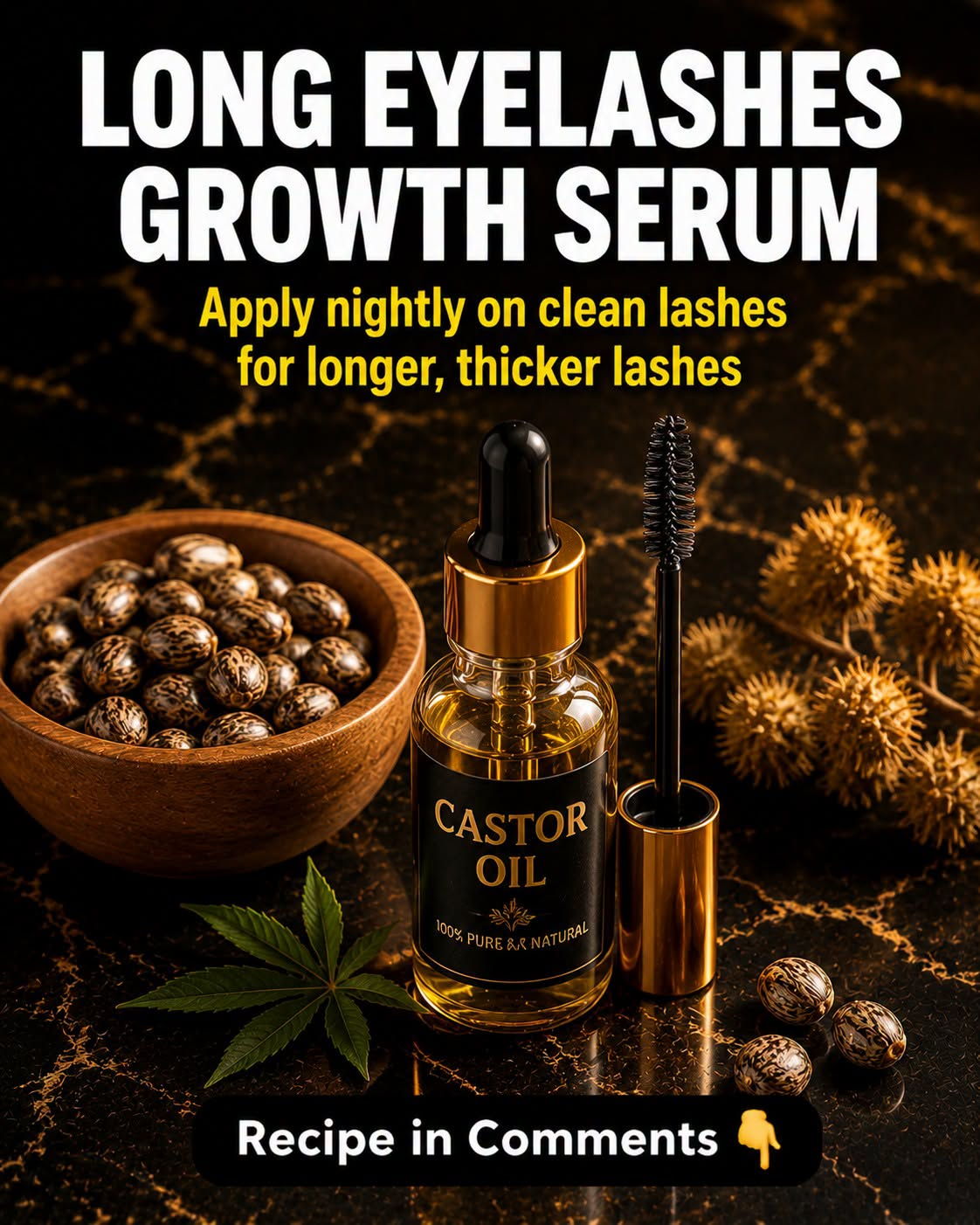
Castor Oil and Vitamin E Lash Conditioning Serum
Scientific Working of Each Ingredient
Cold-Pressed Castor Oil (1 teaspoon)
Castor oil contains ricinoleic acid, a fatty acid known for its moisturizing and conditioning properties. It helps coat the lashes, reducing dryness and breakage. Its thick texture helps keep lashes hydrated and protected.
Vitamin E Oil (5 drops)
Vitamin E acts as an antioxidant that helps protect delicate lash hairs from oxidative stress. It also supports moisture retention around the lash area.
Sweet Almond Oil (½ teaspoon)
Almond oil contains vitamin E, omega fatty acids, and proteins that help condition hair fibers and improve softness.
Aloe Vera Gel (½ teaspoon)
Aloe vera contains polysaccharides and antioxidants that provide hydration and soothe the skin around the eyes.
Jojoba Oil (½ teaspoon)
Jojoba oil closely resembles natural skin oils and provides lightweight nourishment without excessive heaviness.
Procedure
- Mix castor oil, vitamin E oil, almond oil, aloe vera gel, and jojoba oil.
- Transfer into a clean small container.
- Before bedtime, clean your eyelashes gently.
- Apply a very thin layer using a clean mascara brush or cotton swab.
- Avoid getting oil directly inside the eyes.
- Leave overnight and wash in the morning.
How Often to Apply
Apply nightly for 3–4 weeks.
Initial Results
Within 1–2 weeks, lashes may appear softer, shinier, and less prone to breakage. Natural lash growth is gradual and usually requires several weeks.
Remedy 2: For Dry and Brittle Eyelashes
Coconut Oil and Aloe Vera Repair Treatment
Scientific Working of Each Ingredient
Coconut Oil (1 teaspoon)
Coconut oil contains lauric acid, which can penetrate the hair shaft and reduce protein loss. This helps improve lash strength and prevents excessive dryness.
Aloe Vera Gel (1 teaspoon)
Aloe vera provides hydration and contains antioxidants that help maintain healthy skin around the lash line.
Honey (¼ teaspoon)
Honey works as a humectant, attracting moisture and preventing dryness around delicate lashes.
Argan Oil (3 drops)
Argan oil contains vitamin E and essential fatty acids that help smooth and condition hair fibers.
Green Tea Extract (½ teaspoon)
Green tea contains polyphenols and antioxidants that help protect tissues from oxidative damage.
Procedure
- Mix aloe vera gel, coconut oil, honey, argan oil, and green tea extract.
- Apply a small amount to eyelashes using a clean applicator.
- Keep away from direct eye contact.
- Leave for 20 minutes.
- Rinse gently.
How Often to Apply
Use 3 times weekly.
Initial Results
After several applications, lashes may feel more flexible and appear healthier.
Remedy 3: For Thin Eyelashes
Rosemary and Castor Oil Lash Nourishing Blend
Scientific Working of Each Ingredient
Castor Oil (1 teaspoon)
Provides fatty acids that condition lashes and reduce dryness-related breakage.
Rosemary Oil (1 drop)
Rosemary contains antioxidant compounds and has been studied for effects related to hair growth when used on the scalp. Because eye areas are sensitive, it must always be highly diluted.
Olive Oil (½ teaspoon)
Olive oil contains oleic acid and antioxidants that help soften and protect hair fibers.
Vitamin E Oil (3 drops)
Supports moisture protection and improves conditioning.
Chamomile Extract (½ teaspoon)
Chamomile provides soothing plant compounds that may help calm sensitive skin around the eyes.
Procedure
- Mix olive oil and castor oil.
- Add vitamin E and one drop of rosemary oil.
- Add chamomile extract.
- Apply carefully along the lash line.
- Leave overnight.
How Often to Apply
Apply 3–4 nights weekly.
Initial Results
Lashes may appear smoother and healthier within 2–3 weeks. Growth speed varies between individuals.
Remedy 4: For Weak Eyelashes Due to Makeup Damage
Shea Butter and Almond Oil Lash Recovery Balm
Scientific Working of Each Ingredient
Shea Butter (½ teaspoon)
Shea butter contains fatty acids that create a protective moisturizing layer and reduce dryness.
Almond Oil (1 teaspoon)
Almond oil provides vitamin E and nutrients that improve softness.
Coconut Oil (½ teaspoon)
Helps protect lash fibers and reduce moisture loss.
Aloe Vera Gel (½ teaspoon)
Provides hydration and soothing benefits.
Beeswax (¼ teaspoon)
Creates a protective barrier that helps retain moisture.
Procedure
- Melt shea butter and beeswax gently.
- Add almond oil and coconut oil.
- Mix with aloe vera gel after cooling.
- Apply a tiny amount to lashes before sleeping.
How Often to Apply
Use every alternate night.
Initial Results
Within a few days, lashes may feel less dry and more conditioned.
Remedy 5: For Sensitive Eyes
Oatmeal and Aloe Vera Gentle Lash Care
Scientific Working of Each Ingredient
Aloe Vera Gel (1 tablespoon)
Aloe vera provides hydration and soothing compounds suitable for delicate areas.
Oat Extract (½ teaspoon)
Oat compounds such as beta-glucan help support skin moisture balance.
Cucumber Extract (½ teaspoon)
Cucumber provides cooling hydration and antioxidants.
Chamomile Water (1 teaspoon)
Chamomile contains plant antioxidants traditionally used for calming sensitive skin.
Jojoba Oil (3 drops)
Provides lightweight moisture similar to natural skin oils.
Procedure
- Mix aloe vera gel with oat extract.
- Add cucumber extract, chamomile water, and jojoba oil.
- Apply around the lash area carefully.
- Leave for 10 minutes.
- Rinse gently.
How Often to Apply
Use 2–3 times weekly.
Initial Results
The lash area may feel softer and more comfortable after a few uses.
Final Tips for Longer and Healthier Eyelashes
- Always remove eye makeup gently before sleeping.
- Avoid rubbing your eyes because friction can break lashes.
- Replace old mascara regularly to reduce bacterial buildup.
- Do not share eye makeup tools.
- Maintain a protein-rich diet because lashes are made of keratin.
- Clean lash brushes regularly.
- Perform a patch test before applying any natural oil near the eyes.
- Avoid applying excessive oil because it may irritate sensitive eyes.
Visible improvement in lash condition may begin within 2–3 weeks, while noticeable growth changes usually require consistent care over several lash growth cycles.
If you experience sudden eyelash loss, redness, swelling, itching, or persistent irritation, consult an eye specialist or dermatologist.
Diet Plan for Stronger Eyelashes
Morning
- Warm water
- A handful of soaked almonds
- Vitamin C-rich fruit (orange, kiwi, berries)
Breakfast
- Eggs or protein-rich alternatives
- Oatmeal with nuts and seeds
Lunch
- Fish, chicken, beans, or lentils
- Green leafy vegetables
- Whole grains
Evening Snack
- Pumpkin seeds
- Yogurt
- Nuts
Dinner
- Protein-rich food
- Vegetables containing iron and antioxidants
Continue this diet for at least 8–12 weeks because hair growth depends on nutrition and natural growth cycles.
References for the above remedy
- PubMed – Effect of coconut oil on hair protein loss
https://pubmed.ncbi.nlm.nih.gov/12715094/ - PubMed – Rosemary oil and hair growth study
https://pubmed.ncbi.nlm.nih.gov/25842469/ - National Center for Complementary and Integrative Health – Aloe Vera information
https://www.nccih.nih.gov/health/aloe-vera - PubMed – Honey biological properties and antioxidant effects
https://pubmed.ncbi.nlm.nih.gov/24305429/ - PubMed – Vitamin E antioxidant functions
https://pubmed.ncbi.nlm.nih.gov/15135237/ - American Academy of Dermatology – Eyelash and eye area care guidance
https://www.aad.org/public/everyday-care/skin-care-basics/dry/eye-care - National Institutes of Health – Nutrients important for hair health
https://ods.od.nih.gov/factsheets/Biotin-HealthProfessional/ - PubMed – Green tea polyphenols and antioxidant activity
https://pubmed.ncbi.nlm.nih.gov/10926734/