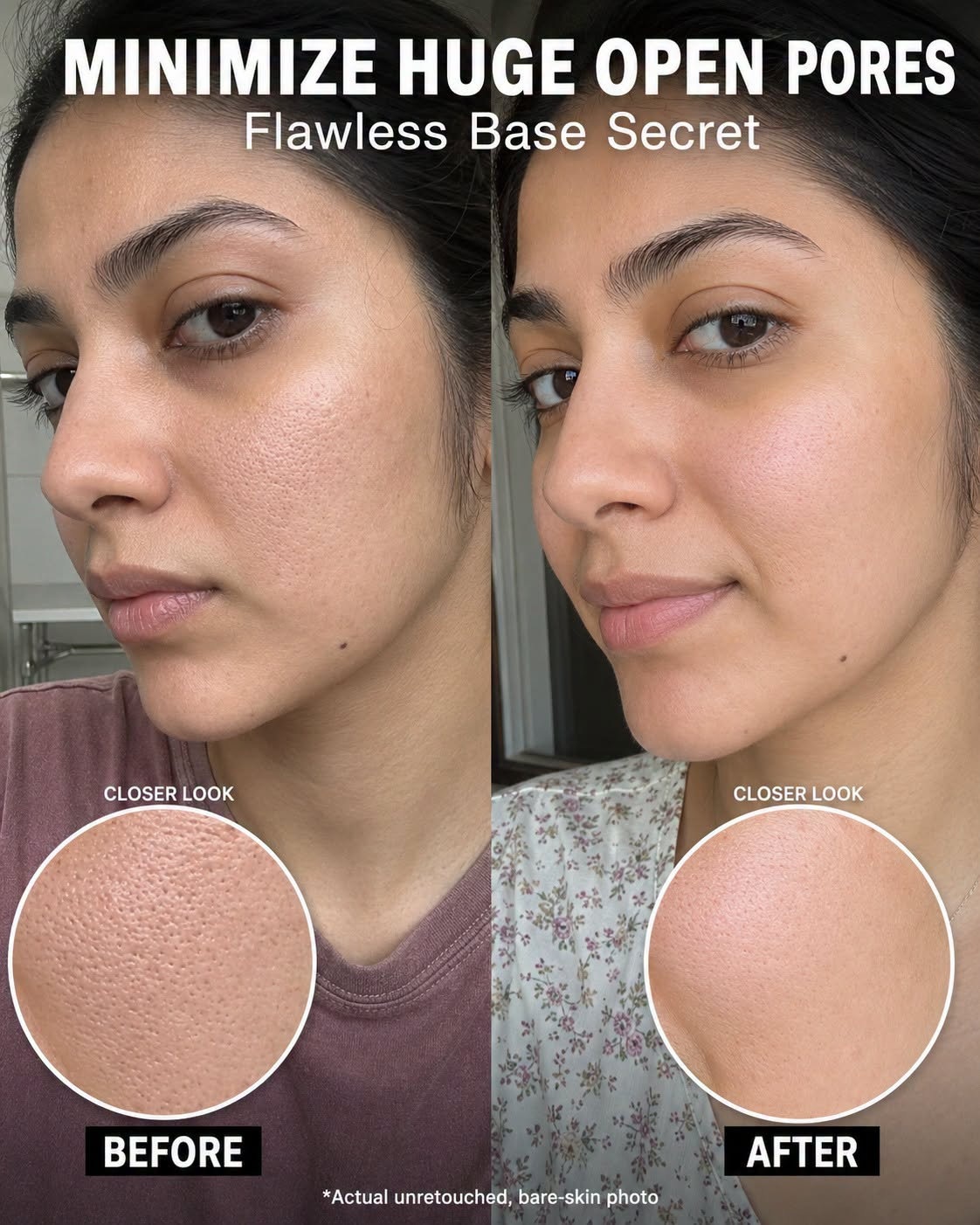
Open pores are a common skincare concern, especially on the nose, cheeks, and forehead. Although pores cannot be permanently “closed” because their size is largely determined by genetics, they can appear significantly smaller by controlling excess oil, improving skin elasticity, increasing collagen production, and keeping pores free of debris. Natural ingredients rich in antioxidants, vitamins, enzymes, and anti-inflammatory compounds can help improve skin texture when used consistently. The remedies below are tailored to different skin types and are supported by scientific evidence regarding the benefits of their ingredients.
Remedy 1: For Normal Skin
Ingredients
- 2 tablespoons plain yogurt
- 1 tablespoon finely ground oatmeal
- 1 teaspoon honey
- 1 teaspoon aloe vera gel
- ½ teaspoon fresh lemon juice
- ½ teaspoon cucumber juice
Scientific Working of the Ingredients
Yogurt naturally contains lactic acid, an alpha hydroxy acid (AHA) that gently exfoliates dead skin cells, making pores appear smaller. Oatmeal contains beta-glucans and avenanthramides, which soothe irritation while absorbing excess oil. Honey has natural humectant and antimicrobial properties that keep the skin hydrated without clogging pores. Aloe vera provides polysaccharides that support skin hydration and wound healing. Lemon contains vitamin C, an antioxidant involved in collagen synthesis, while cucumber supplies silica and antioxidants that temporarily refresh and tighten the skin.
Procedure
- Mix all ingredients into a smooth paste.
- Cleanse your face with lukewarm water.
- Apply evenly, avoiding the eye area.
- Leave for 15–20 minutes.
- Rinse with cool water and pat dry.
- Apply a lightweight moisturizer.
How Often to Apply
Use 3 times weekly for at least one week.
Initial Results
Skin usually feels smoother and fresher after the first application. The appearance of pores may gradually improve within 1–2 weeks of consistent use.
Remedy 2: For Combination Skin
Ingredients
- 2 tablespoons mashed papaya
- 1 teaspoon aloe vera gel
- 1 teaspoon cucumber juice
- ½ teaspoon rose water
- 1 teaspoon rice flour
- ½ teaspoon honey
Scientific Working of the Ingredients
Papaya contains the enzyme papain, which gently removes dead skin cells. Rice flour provides mild physical exfoliation and temporarily mattifies oily areas. Aloe vera calms dry patches while supporting hydration. Rose water contains plant polyphenols that soothe irritated skin, and honey helps maintain moisture balance.
Procedure
- Blend all ingredients thoroughly.
- Apply a thin layer across the face.
- Leave for 15 minutes.
- Wash with cool water.
How Often to Apply
Apply every alternate day for one week.
Initial Results
The skin becomes softer, excess oil is reduced, and pores may appear less noticeable after several applications.
Remedy 3: For Oily Skin
Ingredients
- 2 tablespoons multani mitti (Fuller’s Earth)
- 1 teaspoon tomato pulp
- 1 teaspoon green tea
- ½ teaspoon neem powder
- 1 teaspoon aloe vera gel
- ½ teaspoon apple cider vinegar (diluted with equal water)
Scientific Working of the Ingredients
Multani mitti absorbs excess sebum and surface impurities. Tomato contains natural acids and lycopene, an antioxidant that helps protect skin from oxidative stress. Green tea is rich in EGCG, which has anti-inflammatory and sebum-regulating properties. Neem contains bioactive compounds with antimicrobial activity, while diluted apple cider vinegar contains acetic acid that can help balance skin pH. Aloe vera prevents excessive dryness after oil absorption.
Procedure
- Mix all ingredients into a smooth paste.
- Apply to oily areas.
- Leave until partially dry (10–15 minutes).
- Rinse thoroughly.
How Often to Apply
Use twice weekly.
Initial Results
Oiliness is often reduced after the first few applications, making pores appear cleaner and less prominent.
Remedy 4: For Dry Skin
Ingredients
- 1 tablespoon mashed avocado
- 1 tablespoon plain yogurt
- 1 teaspoon honey
- 1 teaspoon finely ground oats
- 1 teaspoon flaxseed gel
- ½ teaspoon olive oil
Scientific Working of the Ingredients
Avocado supplies healthy fatty acids and vitamin E that nourish dry skin. Yogurt gently exfoliates without excessive irritation. Honey attracts moisture into the skin. Flaxseed gel contains mucilage that forms a hydrating film over the skin. Olive oil provides antioxidants and emollients that soften the skin barrier.
Procedure
- Mix ingredients thoroughly.
- Apply evenly over the face.
- Leave for 20 minutes.
- Wash with lukewarm water.
How Often to Apply
Three times weekly.
Initial Results
Skin feels softer and more hydrated within a few days, making enlarged pores less noticeable due to improved skin plumpness.
Remedy 5: For Sensitive Skin
Ingredients
- 2 tablespoons cooled chamomile tea
- 1 tablespoon colloidal oatmeal
- 1 teaspoon aloe vera gel
- 1 teaspoon cucumber juice
- ½ teaspoon honey
- 1 teaspoon plain yogurt
Scientific Working of the Ingredients
Chamomile contains apigenin, a flavonoid known for its soothing effects. Colloidal oatmeal helps strengthen the skin barrier and reduce inflammation. Aloe vera hydrates sensitive skin, while cucumber cools and refreshes. Yogurt provides gentle exfoliation, and honey supports moisture retention.
Procedure
- Mix into a creamy consistency.
- Apply gently.
- Leave for 15 minutes.
- Rinse with cool water.
How Often to Apply
Use twice weekly.
Initial Results
Redness and irritation often improve within several days, while smoother skin texture gradually makes pores appear smaller.
Why These Remedies Work Scientifically
Open pores become more noticeable when they are filled with excess sebum, dead skin cells, or when collagen surrounding the pore weakens with age. These remedies address the major contributing factors:
- Gentle exfoliation removes dead skin buildup.
- Oil-absorbing ingredients reduce excess sebum.
- Antioxidants protect collagen from oxidative damage.
- Hydrating ingredients improve skin elasticity.
- Anti-inflammatory compounds calm irritation and redness.
Although these remedies can improve the appearance of pores, they cannot permanently shrink pore size because pore structure is largely genetic.
Final Tips
- Wash your face twice daily with a gentle cleanser.
- Always remove makeup before sleeping.
- Wear sunscreen (SPF 30 or higher) every day to protect collagen.
- Avoid harsh scrubbing, which may enlarge pores over time.
- Stay hydrated by drinking 2–3 liters of water daily.
- Change pillowcases regularly.
- Use non-comedogenic skincare products.
- Perform a patch test before trying any home remedy.
Visible improvements generally begin within 2–4 weeks of consistent skincare rather than within a few days.
Diet Plan
Early Morning
- Warm water with lemon
- Handful of soaked almonds
Breakfast
- Oatmeal with berries
- Greek yogurt
- Green tea
Mid-Morning Snack
- Orange, kiwi, or guava
Lunch
- Grilled fish, chicken, tofu, or lentils
- Brown rice or whole grains
- Mixed vegetables
Evening Snack
- Cucumber and carrot sticks
- Green tea
Dinner
- Vegetable soup
- Lean protein
- Steamed broccoli or spinach
Before Bed
- Chamomile tea
Continue these skincare and dietary habits for 6–8 weeks for noticeable improvements in skin texture. If enlarged pores are accompanied by persistent acne, severe inflammation, cysts, or significant skin changes, consult a board-certified dermatologist for evaluation and treatment.
References for the above remedy
- American Academy of Dermatology. What can treat large facial pores?
https://www.aad.org/public/everyday-care/skin-care-basics/care/minimize-pores - National Center for Complementary and Integrative Health. Aloe Vera
https://www.nccih.nih.gov/health/aloe-vera - National Eczema Association. Colloidal Oatmeal Benefits for Skin
https://nationaleczema.org/eczema/treatment/colloidal-oatmeal/ - Lin TK, Zhong L, Santiago JL. Anti-Inflammatory and Skin Barrier Repair Effects of Plant Oils. International Journal of Molecular Sciences.
https://www.mdpi.com/1422-0067/19/1/70 - Burlando B, Cornara L. Honey in Dermatology and Skin Care: A Review. Journal of Cosmetic Dermatology.
https://pmc.ncbi.nlm.nih.gov/articles/PMC5661189/ - Katta R, Desai SP. Diet and Dermatology: The Role of Nutrition in Skin Health.
https://pmc.ncbi.nlm.nih.gov/articles/PMC4106357/ - American Academy of Dermatology. How to Care for Oily Skin
https://www.aad.org/public/everyday-care/skin-care-basics/dry/oily-skin - Draelos ZD. Cosmeceuticals Containing Hydroxy Acids. Dermatologic Clinics.
https://pubmed.ncbi.nlm.nih.gov/17127058/
Important: Home remedies can improve skin texture, hydration, oil balance, and the appearance of enlarged pores, but they cannot permanently shrink pore size. Daily sun protection, gentle cleansing, and consistent skincare remain the most evidence-based methods for maintaining smoother-looking skin.