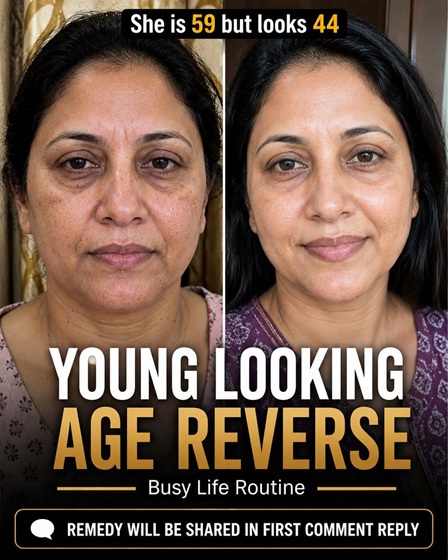
Wrinkles, loose skin, pigmentation, dullness, and tired-looking eyes often make a person appear older than their real age. Stress, sun exposure, lack of sleep, dehydration, poor diet, and pollution gradually reduce collagen and elastin in the skin. As collagen decreases, the face may begin losing firmness and glow. Many people look for natural methods that can help support healthy skin without harsh chemicals.
Several kitchen ingredients contain antioxidants, vitamins, amino acids, and skin-supportive compounds that may help improve hydration, texture, and elasticity. The key is choosing remedies according to your skin type because oily, dry, sensitive, and combination skin all respond differently to ingredients.
Below are scientifically-supported natural remedies designed separately for each skin type to help improve the appearance of aging skin naturally.
Remedy 1: For Normal Skin
Ingredients
- 1 tablespoon fresh aloe vera gel – helps improve hydration and skin elasticity
- 1 teaspoon honey – acts as a natural humectant that locks in moisture
- 1 teaspoon yogurt – contains lactic acid for gentle exfoliation
- 1 teaspoon papaya pulp – contains enzymes that support skin renewal
- ½ teaspoon sandalwood powder – helps soothe and refresh skin
- 5 drops rose water – supports skin balance and freshness
Scientific Reason Why This Remedy Works
Aloe vera contains polysaccharides that help support moisture retention and improve skin smoothness. Papaya contains papain enzyme, which helps remove dead skin cells and may improve dullness. Yogurt provides lactic acid that gently exfoliates the upper layer of skin, while honey delivers antioxidants that help reduce environmental skin stress. Sandalwood is traditionally used for calming irritated skin and supporting an even complexion.
Procedure
- Mix all ingredients in a bowl until smooth.
- Wash the face using mild water.
- Apply evenly on the face and neck.
- Leave for 20 minutes.
- Rinse with cool water and pat dry gently.
How Often to Apply
Apply once daily for 5 consecutive days.
Initial Results
Skin may start appearing softer and fresher within 2–3 days. Mild glow and smoother texture may become visible.
Remedy 2: For Combination Skin
Ingredients
- 1 tablespoon mashed banana – rich in potassium and vitamins
- 1 teaspoon green tea – contains antioxidants called catechins
- 1 teaspoon rice flour – helps absorb oil and smooth skin
- 1 teaspoon aloe vera gel – hydrates dry areas gently
- ½ teaspoon turmeric powder – supports anti-inflammatory activity
- 1 teaspoon cucumber juice – refreshes tired skin
Scientific Reason Why This Remedy Works
Green tea contains polyphenols that may help reduce oxidative stress linked with aging. Banana supports skin softness and hydration. Rice flour helps control excess oil while mildly exfoliating the skin surface. Turmeric contains curcumin, studied for antioxidant and anti-inflammatory effects that may help improve uneven skin appearance.
Procedure
- Mash banana properly.
- Add remaining ingredients and mix thoroughly.
- Apply on the face, especially oily and dry zones evenly.
- Leave for 15–20 minutes.
- Wash with plain water.
How Often to Apply
Use on alternate days for one week.
Initial Results
Skin may begin looking brighter and more balanced after several applications. The oily T-zone may appear less greasy while dry areas feel smoother.
Remedy 3: For Oily Skin
Ingredients
- 1 tablespoon multani mitti (Fuller’s earth) – absorbs excess oil
- 1 teaspoon tomato pulp – rich in lycopene antioxidants
- 1 teaspoon lemon juice – contains vitamin C
- 1 teaspoon neem powder – traditionally used for acne-prone skin
- 1 teaspoon rose water – refreshes and tones skin
- 1 teaspoon cucumber juice – cools irritated skin
Scientific Reason Why This Remedy Works
Tomatoes contain lycopene, which has antioxidant properties associated with protection from oxidative skin stress. Fuller’s earth helps remove excess sebum and impurities from pores. Neem has antibacterial and anti-inflammatory compounds that may help reduce breakouts. Lemon provides vitamin C, which plays a role in collagen formation, although it should always be used carefully and in small amounts.
Procedure
- Mix all ingredients into a smooth paste.
- Apply a thin layer over clean skin.
- Avoid the eye area.
- Leave for 15 minutes until partially dry.
- Wash gently using cool water.
How Often to Apply
Apply 3 times weekly.
Initial Results
Skin may feel cleaner and less oily within 2–3 days. The face may appear brighter and pores may look tighter.
Remedy 4: For Dry Skin
Ingredients
- 1 tablespoon avocado pulp – rich in healthy fats and vitamin E
- 1 teaspoon olive oil – supports the skin barrier
- 1 teaspoon honey – helps retain moisture
- 1 teaspoon milk cream – deeply nourishes dry skin
- 1 vitamin E capsule – antioxidant support
- ½ teaspoon cocoa powder – rich in flavonoids
Scientific Reason Why This Remedy Works
Avocado contains fatty acids and antioxidants that help support hydration and skin softness. Olive oil reduces moisture loss from the skin surface. Honey works as a humectant that attracts water into the skin. Cocoa contains flavonoids that may support circulation and improve skin smoothness.
Procedure
- Blend all ingredients well.
- Apply evenly to face and neck.
- Massage gently upward for 2 minutes.
- Leave for 20–25 minutes.
- Wash with lukewarm water.
How Often to Apply
Use daily for 5–7 days.
Initial Results
Dryness and roughness may begin improving within a few days. Skin may appear plumper and more nourished.
Remedy 5: For Sensitive Skin
Ingredients
- 1 tablespoon oatmeal powder – helps calm irritation
- 1 teaspoon chamomile tea – soothing botanical compounds
- 1 teaspoon aloe vera gel – cooling and hydrating
- 1 teaspoon cucumber pulp – supports skin freshness
- 1 teaspoon flaxseed gel – helps improve hydration
- 1 teaspoon raw milk – gentle nourishment
Scientific Reason Why This Remedy Works
Oatmeal contains avenanthramides known for soothing irritated skin. Chamomile contains natural compounds such as apigenin that may help calm redness and inflammation. Aloe vera supports hydration and skin repair. Flaxseed contains omega-3 fatty acids that help support the skin barrier.
Procedure
- Prepare chamomile tea and cool it.
- Mix all ingredients thoroughly.
- Apply gently without rubbing.
- Leave for 15 minutes.
- Wash with cool water.
How Often to Apply
Apply once daily for one week.
Initial Results
Skin may begin feeling calmer and more hydrated within 2–3 uses. Mild redness and tightness may reduce.
Final Tips
- Drink enough water daily to support skin hydration.
- Sleep at least 7–8 hours because poor sleep increases stress hormones linked with premature aging.
- Avoid excessive sugar and smoking because both can damage collagen.
- Wear sunscreen when going outside.
- Keep towels, pillow covers, and makeup brushes clean.
- Avoid harsh scrubbing because it may worsen wrinkles and sensitivity.
- Perform a patch test before trying any remedy.
- Consistent use is important. Natural remedies usually show gradual improvement rather than overnight changes.
Visible freshness and glow may start appearing within 2–3 days, while better firmness and smoother skin texture generally require several weeks of regular care.
Diet Plan for Younger Looking Skin
Early Morning
- Warm water with lemon
- 4–5 soaked almonds
Breakfast
- Oatmeal with chia seeds
- Green tea or fresh fruit juice without sugar
Lunch
- Fresh vegetables
- Lentils or grilled protein
- Salad with cucumber, carrots, and tomatoes
Evening Snack
- Coconut water or herbal tea
- Walnuts or sunflower seeds
Dinner
- Light homemade meal
- Soup, vegetables, or grilled fish/chicken
- Avoid fried foods late at night
Best Foods for Healthy Skin
- Spinach
- Tomatoes
- Berries
- Yogurt
- Avocados
- Nuts and seeds
- Green tea
Continue these remedies and healthy dietary habits for at least 3–4 weeks for better visible results. If severe wrinkles, unusual pigmentation, persistent itching, or skin irritation continue, consult a qualified dermatologist or healthcare professional.
References for the above remedy
- Aloe vera and skin healing review – Indian Journal of Dermatology
URL: https://pmc.ncbi.nlm.nih.gov/articles/PMC2763764/ - Honey in dermatology and skin care research
URL: https://pubmed.ncbi.nlm.nih.gov/24305429/ - Green tea polyphenols and skin protection study
URL: https://pmc.ncbi.nlm.nih.gov/articles/PMC3390139/ - Oatmeal and skin barrier support review
URL: https://pmc.ncbi.nlm.nih.gov/articles/PMC3508548/ - Vitamin E and skin health review article
URL: https://pmc.ncbi.nlm.nih.gov/articles/PMC4976416/ - Curcumin and turmeric antioxidant effects
URL: https://pmc.ncbi.nlm.nih.gov/articles/PMC5664031/ - Avocado consumption and skin elasticity study
URL: https://pmc.ncbi.nlm.nih.gov/articles/PMC6567026/ - Chamomile anti-inflammatory properties study
URL: https://pmc.ncbi.nlm.nih.gov/articles/PMC2995283/ - Lycopene and tomato antioxidant research
URL: https://pmc.ncbi.nlm.nih.gov/articles/PMC3583891/ - Neem and antimicrobial skin benefits review
URL: https://pmc.ncbi.nlm.nih.gov/articles/PMC4791507/