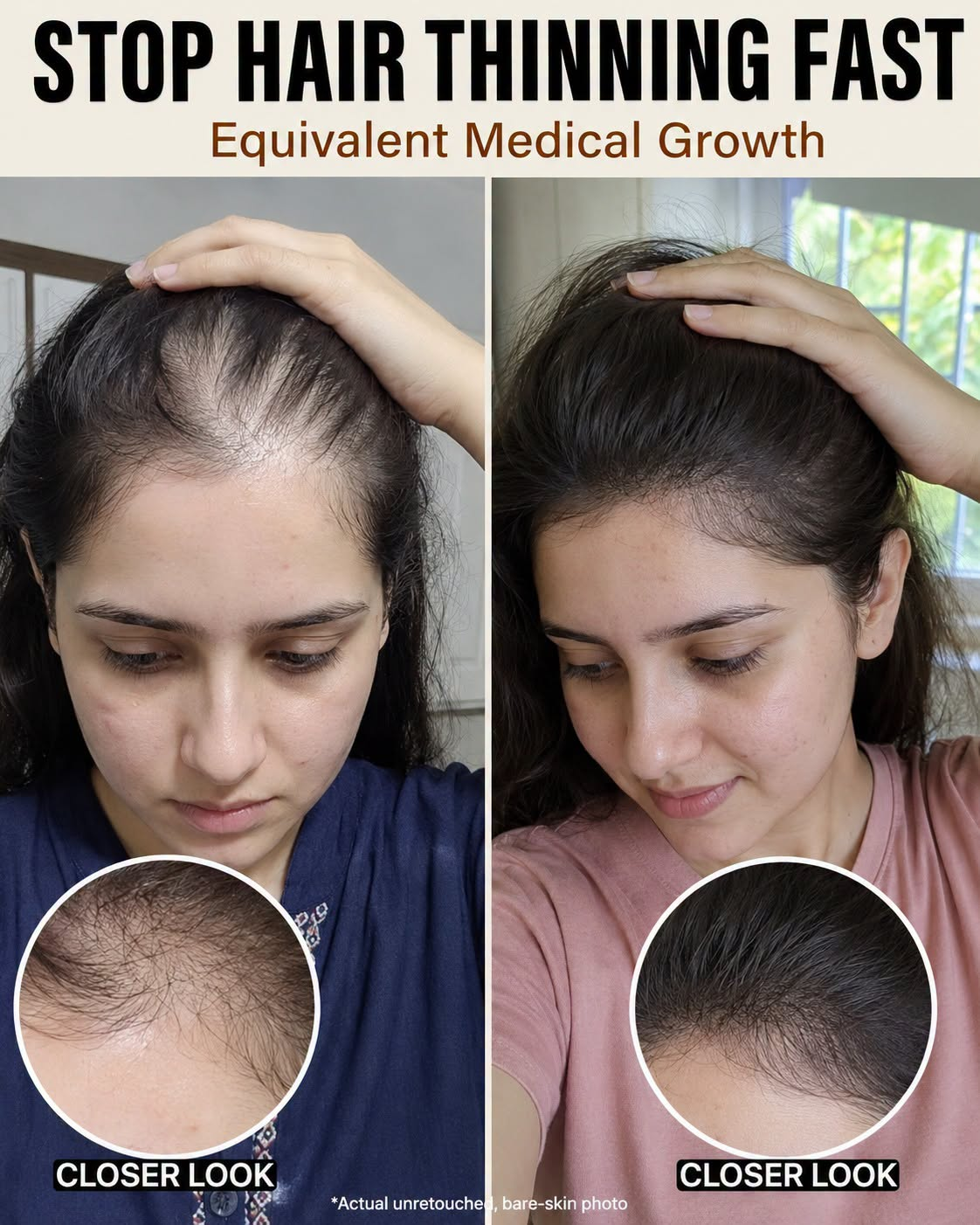
Hair thinning is a common concern that affects both men and women. It can occur due to genetics, hormonal changes, stress, nutritional deficiencies, scalp inflammation, frequent heat styling, or tight hairstyles. While no natural remedy can guarantee overnight hair regrowth, several plant-based ingredients have shown promising results in scientific studies for supporting healthier hair follicles, reducing breakage, and improving scalp health. These remedies work best when combined with a nutritious diet, gentle hair care, and consistency over several months. If hair loss is sudden, patchy, associated with itching or pain, or continues to worsen, consult a dermatologist for proper evaluation. (PMC)

Remedy 1: For Normal Scalp
Ingredients
- 1 tablespoon rosemary-infused oil
- 1 tablespoon pumpkin seed oil
- 1 teaspoon aloe vera gel
- 3 drops peppermint essential oil (diluted)
- 1 teaspoon vitamin E oil
Scientific Working of the Ingredients
Rosemary oil may improve scalp circulation and support the hair growth cycle. Pumpkin seed oil contains phytosterols and antioxidants that may help reduce the effects of DHT, a hormone involved in pattern hair loss. Aloe vera soothes scalp irritation, while vitamin E provides antioxidant protection against oxidative stress. Peppermint oil may stimulate blood flow around hair follicles.
Procedure
- Mix all ingredients thoroughly.
- Massage into the scalp for 5-7 minutes.
- Leave on for 60-90 minutes.
- Wash with a mild shampoo.
How Often to Apply
Apply 3 times weekly for at least 8-12 weeks.
Initial Results
Within 2-4 weeks the scalp may feel healthier with reduced dryness and less breakage. Noticeable improvements in hair density generally require 3-6 months. (PMC)
Remedy 2: For Combination Scalp
Ingredients
- 2 tablespoons brewed green tea (cooled)
- 1 tablespoon aloe vera gel
- 1 teaspoon flaxseed gel
- 1 teaspoon rosemary-infused oil
- ½ teaspoon honey
Scientific Working of the Ingredients
Green tea contains epigallocatechin gallate (EGCG), an antioxidant that may help protect hair follicles from oxidative damage. Flaxseed gel hydrates the scalp, aloe vera reduces irritation, honey acts as a natural humectant, and rosemary oil supports follicle health.
Procedure
- Blend all ingredients.
- Apply evenly over the scalp.
- Leave for 40 minutes.
- Rinse with lukewarm water.
How Often to Apply
Use 2-3 times weekly.
Initial Results
The scalp often feels less irritated and more hydrated within 2-3 weeks, while stronger hair may become noticeable with continued use.
Remedy 3: For Oily Scalp
Ingredients
- 2 tablespoons cooled green tea
- 1 teaspoon fresh aloe vera gel
- ½ teaspoon diluted apple cider vinegar
- 2 drops rosemary essential oil (mixed with carrier oil)
- 1 teaspoon jojoba oil
Scientific Working of the Ingredients
Green tea helps reduce oxidative stress. Aloe vera calms inflammation. Apple cider vinegar may help maintain scalp pH, while jojoba oil resembles natural scalp oils, helping regulate excess sebum without excessive dryness. Rosemary oil supports healthier follicles.
Procedure
- Mix thoroughly.
- Massage gently into the scalp.
- Leave for 30 minutes.
- Wash using a mild sulfate-free shampoo.
How Often to Apply
Twice weekly.
Initial Results
Reduced oiliness and improved scalp comfort may appear within 2-3 weeks. Continued use supports healthier hair over several months.
Remedy 4: For Dry Scalp
Ingredients
- 1 tablespoon coconut oil
- 1 tablespoon pumpkin seed oil
- 1 teaspoon aloe vera gel
- 1 teaspoon honey
- 3 drops lavender essential oil (diluted)
Scientific Working of the Ingredients
Coconut oil penetrates the hair shaft and helps reduce protein loss. Pumpkin seed oil provides essential fatty acids and antioxidants. Honey retains moisture, aloe vera soothes dryness, and lavender oil may contribute to a healthier scalp environment.
Procedure
- Warm the oils slightly.
- Mix with aloe vera and honey.
- Massage into the scalp.
- Leave overnight or at least 2 hours.
- Shampoo gently.
How Often to Apply
2-3 times per week.
Initial Results
Hair usually feels softer within one week. Reduced breakage and healthier-looking strands may become noticeable after several weeks.
Remedy 5: For Sensitive Scalp
Ingredients
- 2 tablespoons pure aloe vera gel
- 1 teaspoon oat gel
- 1 teaspoon chamomile tea
- 1 teaspoon jojoba oil
- ½ teaspoon cucumber juice
Scientific Working of the Ingredients
Aloe vera and oats help calm irritated skin. Chamomile contains natural anti-inflammatory compounds, cucumber hydrates the scalp, and jojoba oil supports the scalp barrier without excessive heaviness.
Procedure
- Blend all ingredients.
- Apply gently without vigorous rubbing.
- Leave for 20-30 minutes.
- Rinse thoroughly.
How Often to Apply
Every other day if tolerated.
Initial Results
Many people notice reduced scalp discomfort and improved hydration within 1-2 weeks.
Final Tips
- Eat enough protein daily because hair is primarily made of keratin.
- Avoid excessive heat styling and tight hairstyles.
- Wash the scalp regularly using a gentle shampoo appropriate for your scalp type.
- Massage the scalp for 5 minutes daily to improve circulation.
- Stay hydrated.
- Sleep for 7-9 hours every night.
- Manage stress through regular exercise, meditation, or relaxation techniques.
- Perform a patch test before applying any natural ingredient.
- Be patient—healthy hair grows slowly, typically around 1 cm per month.
Diet Plan for Healthier Hair
Breakfast
- Eggs or Greek yogurt
- Oats with pumpkin seeds and berries
Mid-Morning Snack
- A handful of walnuts or almonds
- One orange or kiwi
Lunch
- Grilled fish or lentils
- Brown rice or whole wheat roti
- Spinach or other leafy vegetables
Evening Snack
- Green tea
- Roasted chickpeas or mixed seeds
Dinner
- Chicken, tofu, or beans
- Mixed vegetables
- Sweet potato or quinoa
Daily Nutrition Goals
- Protein: 20-30 g per meal
- Zinc-rich foods: pumpkin seeds, beans
- Iron-rich foods: spinach, lentils, lean meat
- Omega-3 sources: fatty fish, flaxseed, walnuts
- Vitamin C-rich fruits to improve iron absorption
Continue these remedies and dietary habits consistently for at least 3-6 months, as meaningful hair regrowth takes time. If hair thinning persists, becomes severe, or is accompanied by scalp pain, scaling, or bald patches, consult a dermatologist or healthcare professional.
References for the above remedy
- Panahi Y, et al. Rosemary oil vs. minoxidil for androgenetic alopecia. https://pubmed.ncbi.nlm.nih.gov/25842469/
- Cho YH, et al. Effect of Pumpkin Seed Oil on Hair Growth in Men with Androgenetic Alopecia. https://pmc.ncbi.nlm.nih.gov/articles/PMC4017725/ (PMC)
- Ufomadu P, et al. A Review of Dermatologic Effectiveness for Androgenetic Alopecia. https://pmc.ncbi.nlm.nih.gov/articles/PMC10761108/ (PMC)
- Rubaian NFB, et al. Natural Alternatives for the Treatment of Androgenetic Alopecia. https://pmc.ncbi.nlm.nih.gov/articles/PMC11549889/ (PMC)
- National Center for Complementary and Integrative Health. Tea (Green Tea). https://www.nccih.nih.gov/health/green-tea
- Mayo Clinic. Hair loss: Causes and treatment. https://www.mayoclinic.org/diseases-conditions/hair-loss/
- American Academy of Dermatology Association. Hair loss: Diagnosis and treatment. https://www.aad.org/public/diseases/hair-loss
- Rele AS, Mohile RB. Effect of mineral oil, sunflower oil, and coconut oil on prevention of hair damage. https://pubmed.ncbi.nlm.nih.gov/12715094/