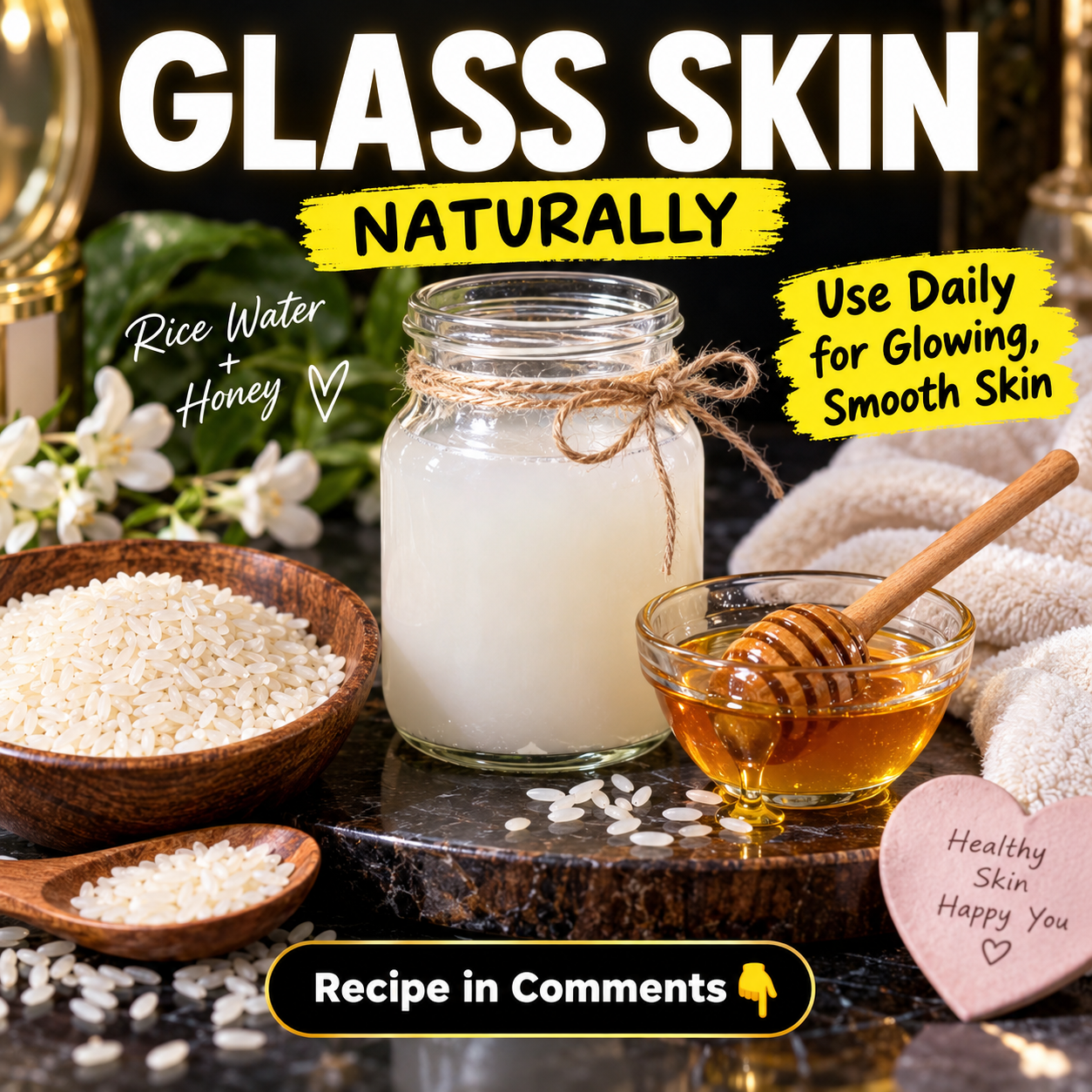
Glass Skin Naturally: Use Daily for Glowing Smooth Skin
“Glass skin” describes skin that looks deeply hydrated, smooth, fresh, and naturally luminous. It does not mean completely poreless or flawless skin, because pores, texture, and fine lines are normal parts of healthy skin. A realistic glass-skin routine therefore focuses on protecting the skin barrier, maintaining moisture, limiting irritation, and preventing sun damage. Gentle ingredients such as aloe vera, oats, honey, green tea, cucumber, yogurt, and selected plant oils can support these goals when they suit your skin type. The most important part is consistency. A simple daily routine can improve softness and hydration within a few days, while more noticeable improvements in texture and evenness generally take several weeks.
Remedy 1: For Normal Skin – Aloe Vera, Honey and Green Tea Daily Glow Gel
Ingredients
Aloe vera gel – 2 tablespoons
Honey – 1 teaspoon
Cooled green tea – 1 tablespoon
Cucumber juice – 1 tablespoon
Finely ground oats – 1 teaspoon
Jojoba oil – 3 drops
How the Ingredients Work Scientifically
Aloe vera contains polysaccharides that help bind water and support skin hydration. It also has soothing properties that can help skin feel comfortable.
Honey acts as a natural humectant. This means it attracts and retains water on the skin surface, which can make skin appear plumper and smoother.
Green tea contains polyphenols, especially catechins such as EGCG. These compounds have antioxidant and anti-inflammatory activity and may help protect the skin from environmental oxidative stress.
Cucumber contains a high percentage of water and naturally occurring soothing compounds. It mainly contributes cooling hydration rather than true skin “bleaching.”
Oats contain beta-glucan and avenanthramides. These compounds help support the skin barrier, reduce dryness, and calm mild irritation.
Jojoba oil is rich in wax esters that resemble some components of natural skin sebum. It helps reduce moisture loss without feeling excessively heavy.
Procedure
Mix all ingredients into a smooth gel-like consistency. Apply a thin layer to clean skin and gently massage for one to two minutes. Leave it on for approximately 10 minutes, then rinse with lukewarm water. Follow with your usual moisturizer.
Prepare a fresh portion each time rather than storing the mixture for several days.
How Often to Apply
This mild formula can be used once daily if the skin remains comfortable. If any redness or congestion develops, reduce use to three or four times weekly.
Initial Results
Within one to three days, skin may feel softer and better hydrated. The glow mainly comes from improved surface hydration rather than permanent structural change.
Remedy 2: For Combination Skin – Aloe Vera, Cucumber and Green Tea Balancing Mask
Ingredients
Aloe vera gel – 2 tablespoons
Cucumber juice – 1 tablespoon
Cooled green tea – 1 tablespoon
Honey – ½ teaspoon
Oat powder – 1 teaspoon
Jojoba oil – 2 drops
How the Ingredients Work Scientifically
Aloe vera provides lightweight hydration, which makes it useful for skin that is oily in some areas but dry in others.
Cucumber juice adds water and gives a cooling effect without adding heavy oils to the T-zone.
Green tea supplies antioxidant polyphenols and may be particularly useful for skin exposed to pollution and sunlight.
Honey improves moisture retention and helps prevent dry areas from feeling tight.
Oat powder contains beta-glucan, which supports hydration and the protective skin barrier.
Jojoba oil provides a small amount of emollient support for drier areas while generally remaining lighter than many heavier plant oils.
Procedure
Combine the ingredients and apply a thin layer over the face. Use slightly less of the mixture over very oily areas and slightly more over dry cheeks.
Leave it on for 10 minutes and rinse gently.
How Often to Apply
Use once daily for five to seven days if well tolerated. After that, it can be continued three to five times per week as maintenance.
Initial Results
Skin may feel more balanced and less tight within several applications. A smoother surface can also reflect light more evenly, giving the appearance of greater glow.
Remedy 3: For Oily Skin – Green Tea, Aloe Vera and Oat Lightweight Glow Mask
Ingredients
Aloe vera gel – 2 tablespoons
Cooled green tea – 2 tablespoons
Cucumber juice – 1 tablespoon
Oat powder – 1 teaspoon
Honey – ½ teaspoon
Rose water – 1 tablespoon
How the Ingredients Work Scientifically
Aloe vera hydrates without supplying a large amount of oil.
Green tea contains catechins that have been studied for antioxidant and anti-inflammatory activity. Some research also suggests potential effects on sebum production, although results vary.
Cucumber juice adds water-based hydration and a fresh skin feel.
Oats help reinforce the skin barrier. This is important because excessively stripping oily skin can worsen irritation.
Honey provides humectant hydration without functioning like a heavy facial oil.
Rose water mainly provides refreshing water-based hydration and contains small amounts of aromatic plant compounds. People with fragrance sensitivity should omit it.
Procedure
Mix everything into a light paste. Apply a thin layer rather than a thick mask. Leave it on for 8–10 minutes and rinse with lukewarm water.
Do not allow the mask to become extremely dry or cracked.
How Often to Apply
Use once daily for the first three to five days if tolerated, then continue on alternate days.
Initial Results
The skin may feel fresher and less dehydrated within a few days. Oiliness will not disappear permanently, because sebum production is influenced by hormones, genetics, and skincare habits.
Remedy 4: For Dry Skin – Aloe Vera, Honey, Yogurt and Sunflower Oil Hydration Mask
Ingredients
Aloe vera gel – 2 tablespoons
Plain unsweetened yogurt – 1 tablespoon
Honey – 1 teaspoon
Oat powder – 1 teaspoon
Sunflower seed oil – 4 drops
Mashed avocado – 1 teaspoon
How the Ingredients Work Scientifically
Aloe vera provides water-binding polysaccharides that support hydration.
Yogurt naturally contains lactic acid. In mild concentrations, lactic acid can support gentle exfoliation and hydration. However, homemade yogurt does not provide a standardized acid concentration, so it should not be treated as a medical peel.
Honey reduces surface dryness by acting as a humectant.
Oats contain beta-glucan and barrier-supporting components that are especially useful for dry skin.
Sunflower seed oil is rich in linoleic acid, which can support the skin barrier and help reduce transepidermal water loss.
Avocado contains fatty acids and plant lipids that provide emollient conditioning.
Procedure
Blend the ingredients until smooth. Apply to clean skin and leave for 10–15 minutes. Rinse gently and immediately apply moisturizer while the skin is still slightly damp.
How Often to Apply
Because this formula contains yogurt, use it three to four times weekly rather than every day. On the other days, a simpler mixture of aloe vera and honey can be used.
Initial Results
Dry skin may feel noticeably softer within one to three uses. Fine dehydration lines can temporarily look less prominent when the outer skin layers are properly moisturized.
Remedy 5: For Sensitive Skin – Oat, Aloe Vera and Cucumber Comfort Mask
Ingredients
Aloe vera gel – 2 tablespoons
Finely ground colloidal-style oats – 1 tablespoon
Cucumber juice – 1 tablespoon
Honey – ½ teaspoon
Cooled chamomile tea – 1 tablespoon
Sunflower seed oil – 2 drops
How the Ingredients Work Scientifically
Aloe vera can provide soothing hydration, although even natural ingredients can occasionally cause sensitivity.
Oats contain avenanthramides, which are known for soothing and anti-itch properties. Colloidal oatmeal is widely used in dermatology for dry and sensitive skin conditions.
Cucumber contributes gentle hydration and cooling.
Honey supports moisture retention and can reduce a tight, dry feeling.
Chamomile contains plant compounds such as apigenin. However, people with allergies to ragweed-family plants may also react to chamomile, so it should be omitted if there is any allergy history.
Sunflower seed oil contains linoleic acid and helps support the skin barrier.
Procedure
Mix all ingredients into a soft paste. Perform a patch test before full facial application.
Apply without scrubbing and leave for approximately 8–10 minutes. Rinse gently and moisturize.
How Often to Apply
Sensitive skin does not necessarily benefit from daily masking. Use this remedy two to four times weekly. On other days, keep the routine simple with cleanser, moisturizer, and sunscreen.
Initial Results
Skin may feel calmer, softer, and more comfortable after the first few applications. Stop immediately if burning, itching, or persistent redness occurs.
Daily Glass Skin Routine
Natural masks alone are not enough to create consistently smooth and luminous skin. The daily routine around them is more important.
Clean the face gently in the morning and evening. Avoid repeated washing because excessive cleansing can damage the protective skin barrier.
Use a moisturizer suited to your skin type after cleansing or masking. Moisturizer helps prevent water loss and maintains a smoother skin surface.
Broad-spectrum sunscreen is essential every morning. UV radiation contributes to pigmentation, collagen breakdown, rough texture, and premature ageing. Without sun protection, brightening or glow routines are much less effective.
Avoid rubbing the skin with rough towels, sugar, salt, coffee grounds, or other harsh physical scrubs. These can create irritation and microscopic barrier damage.
Do not use undiluted lemon juice, baking soda, toothpaste, or concentrated essential oils on the face. Their potential for irritation outweighs any claimed glow benefit.
Wash hands before preparing homemade treatments and use clean utensils. Fresh mixtures containing yogurt, fruit, aloe, or tea should not be stored for long periods because they do not contain cosmetic preservatives.
Patch-test every new remedy before applying it to the entire face.
When Can You Expect Glass-Skin Results?
Hydration and softness can begin improving within one to three days when the skin barrier responds well.
A more consistent glow may become noticeable after one to two weeks of gentle moisturizing and sun protection.
Improvement in rough texture, uneven tone, or dehydration usually requires several weeks.
Natural skincare cannot permanently erase pores, acne scars, deep pigmentation, or wrinkles. Those concerns may require targeted dermatological treatment.
Continue a suitable routine for approximately six to eight weeks before judging the overall effect.
Diet Plan for Naturally Healthy and Glowing Skin
A good diet cannot replace topical skincare, but nutritional deficiencies and poor overall nutrition can affect skin health.
Morning
Begin with water and a balanced breakfast containing protein. Eggs, plain yogurt, oats, nuts, seeds, and fruit are practical options.
Mid-Morning
Choose a vitamin C-rich fruit such as guava, orange, kiwi, papaya, or strawberries.
Lunch
Eat vegetables with a protein source such as lentils, beans, chicken, fish, or eggs. Include whole grains when possible.
Evening
Choose a small portion of almonds, walnuts, pumpkin seeds, or another nutrient-dense snack.
Dinner
Include protein, vegetables, and healthy fats. Fish can provide omega-3 fatty acids, while plant alternatives include walnuts, chia seeds, and flaxseed.
Drink enough fluids according to your climate, activity level, and health needs. Excessive water does not create instant glow, but dehydration can contribute to dry-looking skin.
Good sleep is also important. Aim for regular, adequate sleep because chronic sleep deprivation can negatively affect skin barrier recovery and overall appearance.
When to See a Dermatologist
Continue gentle home care for about six to eight weeks if your skin remains comfortable.
Consult a dermatologist if you develop persistent acne, severe pigmentation, recurrent rashes, painful irritation, unusual peeling, sudden skin changes, or a condition that continues despite appropriate skincare.
If you have eczema, rosacea, active dermatitis, severe acne, or known allergies, professional guidance is particularly important before experimenting with multiple homemade ingredients.
References for the above remedy
- National Center for Complementary and Integrative Health. Aloe Vera: Usefulness and Safety.
https://www.nccih.nih.gov/health/aloe-vera - American Academy of Dermatology Association. Skin care and anti-aging recommendations.
https://www.aad.org/public/everyday-care/skin-care-basics/dry/anti-aging-skin-care - Reynertson KA, Garay M, Nebus J, et al. Anti-inflammatory activities of colloidal oatmeal contribute to the effectiveness of oats in treatment of itch associated with dry, irritated skin.
https://pubmed.ncbi.nlm.nih.gov/25607907/ - Criquet M, Roure R, Dayan L, Nollent V, Bertin C. Safety and efficacy of personal care products containing colloidal oatmeal.
https://pubmed.ncbi.nlm.nih.gov/23218131/ - Draelos ZD. The science behind skin care: moisturizers. Journal of Cosmetic Dermatology.
https://pubmed.ncbi.nlm.nih.gov/20158555/ - Nichols JA, Katiyar SK. Skin photoprotection by natural polyphenols: anti-inflammatory, antioxidant and DNA repair mechanisms.
https://pubmed.ncbi.nlm.nih.gov/19954292/ - Lin TK, Zhong L, Santiago JL. Anti-inflammatory and skin barrier repair effects of topical application of some plant oils.
https://pubmed.ncbi.nlm.nih.gov/29280987/ - Burlando B, Cornara L. Honey in dermatology and skin care: a review.
https://pubmed.ncbi.nlm.nih.gov/24305429/ - American Academy of Dermatology Association. Sunscreen FAQs and sun-protection guidance.
https://www.aad.org/media/stats-sunscreen - Proksch E, Brandner JM, Jensen JM. The skin: an indispensable barrier.
https://pubmed.ncbi.nlm.nih.gov/18417259/