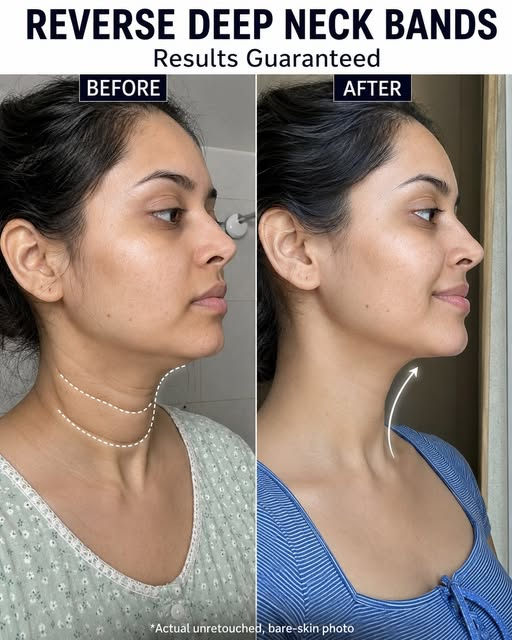
Deep neck bands can make the neck look older than the face, especially when the skin is dry, sun-exposed, or repeatedly folded from posture and phone use. True deep bands may involve skin laxity, collagen loss, and sometimes the platysma muscle, so home remedies cannot give surgical or injectable results. However, natural, scientifically supported ingredients can improve hydration, barrier strength, texture, and the look of fine neck lines. These remedies are designed by skin type so the neck area gets moisture, calming support, and gentle renewal without harsh irritation.
Remedy 1: For Normal Skin
Ingredients
- Fresh aloe vera gel, 1 tablespoon: supports hydration and is linked with improved elasticity and collagen-related activity.
- Cooled green tea, 1 tablespoon: rich in catechins that help protect skin from oxidative stress.
- Raw honey, 1 teaspoon: works as a humectant and helps keep the skin surface soft.
- Finely ground oatmeal, 1 teaspoon: supports the skin barrier and reduces roughness.
- Vegetable glycerin, 3 drops: pulls water into the outer skin layer.
- Rose water, 1 teaspoon: adds light hydration and makes the mask easier to spread.
Scientific Working of This Remedy
Aloe and glycerin increase water content in the upper skin layer, making neck creases look less sharp. Green tea antioxidants help reduce oxidative stress that contributes to collagen breakdown. Oatmeal forms a soft protective layer, while honey adds moisture and mild soothing support.
Procedure
Mix all ingredients into a smooth paste. Clean the neck with plain water, apply a thin layer from collarbone to jawline, and leave it for 15 minutes. Massage with wet fingers for 30 seconds using upward strokes, then rinse with cool water.
How Often to Apply
Apply once daily for 5 days, then 3 times weekly.
Initial Results
Within 1–3 days, the neck may feel smoother, softer, and less dry. Fine lines may look lighter because the skin is better hydrated.
Remedy 2: For Combination Skin
Ingredients
- Plain unsweetened yogurt, 1 teaspoon: contains lactic acid for mild surface renewal.
- Aloe vera gel, 1 tablespoon: hydrates without heaviness.
- Cucumber juice, 1 teaspoon: cools and refreshes the neck.
- Green tea, 1 tablespoon: provides antioxidant support.
- Rice flour, 1 teaspoon: gives very mild polishing action.
- Honey, ½ teaspoon: balances the drying effect of yogurt and rice flour.
Scientific Working of This Remedy
Combination skin needs both renewal and moisture. Yogurt’s lactic acid gently loosens dull surface cells, while aloe and honey reduce tightness. Green tea helps protect against environmental stress, and rice flour gives a mild smoothing effect without oily residue.
Procedure
Mix the ingredients into a light cream. Apply mainly on the banded and dull areas of the neck. Keep it for 10–12 minutes only. Rinse gently and apply a few drops of aloe gel afterward.
How Often to Apply
Use on alternate days for 5 days. Do not use daily if the neck feels sensitive.
Initial Results
In 2–3 days, the neck may look cleaner, fresher, and slightly more even in texture. Dehydration lines may appear softer.
Remedy 3: For Oily Skin
Ingredients
- Cooled green tea, 2 tablespoons: antioxidant and lightweight.
- Aloe vera gel, 1 tablespoon: hydrates without clogging.
- Colloidal oatmeal or very finely powdered oats, 1 teaspoon: calms and supports barrier function.
- Cucumber pulp, 1 teaspoon: gives a cooling effect.
- Raw honey, ½ teaspoon: adds light moisture.
- Multani mitti, ½ teaspoon: absorbs excess oil, use in a small amount only.
Scientific Working of This Remedy
Oily neck skin still needs hydration. Aloe and honey prevent the mask from becoming too drying. Green tea supports skin exposed to UV and pollution, while oatmeal reduces roughness. A small amount of multani mitti absorbs excess oil so the neck feels clean but not stripped.
Procedure
Mix everything into a thin paste. Apply a light layer on the neck, avoiding very dry patches. Leave for 8–10 minutes, not until fully cracked. Rinse with cool water and pat dry.
How Often to Apply
Use once daily for 3 days, then every other day for one week.
Initial Results
The neck may feel less greasy within 1 day. By day 3, the skin may look smoother and less dull.
Remedy 4: For Dry Skin
Ingredients
- Aloe vera gel, 1 tablespoon: hydrates and soothes.
- Vegetable glycerin, 4 drops: deeply attracts water to the surface layer.
- Raw honey, 1 teaspoon: humectant support for dryness.
- Finely ground oatmeal, 1 tablespoon: supports the barrier and reduces rough patches.
- Sunflower seed oil, ½ teaspoon: helps seal moisture.
- Mashed avocado, 1 teaspoon: provides fatty acids and a creamy texture.
Scientific Working of This Remedy
Dry neck bands often look deeper because the stratum corneum lacks water and lipids. Glycerin and honey attract moisture, aloe adds soothing hydration, oatmeal supports the barrier, and sunflower oil helps reduce water loss. This makes the skin look plumper and less creased.
Procedure
Blend all ingredients until creamy. Apply a medium layer over the neck. Leave for 15–18 minutes. Remove with damp cotton or a soft cloth, then rinse lightly. Do not use hot water.
How Often to Apply
Apply daily for 5 days, then 4 times weekly.
Initial Results
Dry tightness may reduce within 24 hours. In 2–3 days, the neck can look more supple and less rough.
Remedy 5: For Sensitive Skin
Ingredients
- Colloidal oatmeal, 1 tablespoon: clinically supported for calming and barrier repair.
- Aloe vera gel, 1 teaspoon: light soothing hydration.
- Cucumber juice, 1 tablespoon: cooling and gentle.
- Vegetable glycerin, 2 drops: mild moisture support.
- Raw honey, ½ teaspoon: softens skin, skip if allergic to honey or bee products.
- Boiled and cooled water, as needed: keeps the paste mild.
Scientific Working of This Remedy
Sensitive neck skin needs fewer active ingredients and less friction. Oatmeal helps calm irritation and strengthen the barrier. Aloe and cucumber cool the skin, while tiny amounts of glycerin and honey improve hydration without strong exfoliation.
Procedure
Mix into a soft paste. Patch test behind the ear first. Apply for only 8–10 minutes. Rinse with cool water and avoid rubbing. Use a clean towel to pat dry.
How Often to Apply
Use every other day for 5 days. Continue twice weekly if the skin responds well.
Initial Results
Redness and tightness may feel calmer in 1–2 days. Neck lines may look softer as irritation and dryness reduce.
Final Tips
Keep your phone at eye level to reduce repeated neck folding. Apply sunscreen to the neck every morning because UV exposure speeds collagen and elastin breakdown. Drink enough water, sleep 7–8 hours, clean pillowcases and towels regularly, and avoid harsh scrubs, lemon juice, baking soda, or strong essential oils on the neck. Always patch test any remedy for 24 hours before full use. Visible improvements usually begin within 2–3 days as hydration improves, while smoother texture and softer wrinkle appearance need consistent care for 4–6 weeks. If deep neck bands are caused by muscle cords, sagging skin, sudden weight loss, pain, swelling, a lump, or rapid worsening, see a dermatologist or qualified doctor.
Diet Plan
Continue the diet plan for at least 4–6 weeks along with the home remedies. For breakfast, take oats or whole-grain toast with eggs, yogurt, or lentils, plus one vitamin C fruit such as orange, guava, kiwi, or strawberries. For lunch, eat a protein-rich meal such as fish, chicken, beans, chickpeas, or tofu with vegetables and whole grains. For snacks, choose nuts, seeds, cucumber, carrots, or fruit instead of sugary foods. For dinner, take soup, vegetables, lentils, fish, or lean protein with a small portion of rice or roti. Add healthy fats from walnuts, flaxseeds, chia seeds, olive oil, or fatty fish. Vitamin C, protein, zinc, and healthy fats support collagen formation, skin repair, and barrier health. If the problem persists or deep bands do not improve after 6–8 weeks, consult a doctor or dermatologist.
References for the above remedy
- Cleveland Clinic. “Neck Lift (Platysmaplasty): Surgery, Recovery & What to Expect.” URL: https://my.clevelandclinic.org/health/treatments/23364-neck-lift-platysmaplasty (Cleveland Clinic)
- Fluhr JW, et al. “Glycerol and the skin: holistic approach to its origin and functions.” PubMed. URL: https://pubmed.ncbi.nlm.nih.gov/18510666/ (PubMed)
- Ilnytska O, et al. “Colloidal Oatmeal (Avena sativa) Improves Skin Barrier Through Multi-Therapy Activity.” PubMed. URL: https://pubmed.ncbi.nlm.nih.gov/27272074/ (PubMed)
- Oyetakin-White P, et al. “Protective Mechanisms of Green Tea Polyphenols in Skin.” PMC. URL: https://pmc.ncbi.nlm.nih.gov/articles/PMC3390139/ (PMC)
- Cho S, et al. “Dietary Aloe Vera Supplementation Improves Facial Wrinkles and Elasticity.” PMC. URL: https://pmc.ncbi.nlm.nih.gov/articles/PMC2883372/ (PMC)
- Smith WP. “Epidermal and dermal effects of topical lactic acid.” Journal of the American Academy of Dermatology. URL: https://www.sciencedirect.com/science/article/abs/pii/S0190962296906027 (ScienceDirect)
- Bylka W, et al. “Centella asiatica in cosmetology.” PMC. URL: https://pmc.ncbi.nlm.nih.gov/articles/PMC3834700/ (PMC)
- Saikaly SK, Khachemoune A. “Honey and Wound Healing: An Update.” PubMed. URL: https://pubmed.ncbi.nlm.nih.gov/28063093/ (PubMed)
- NIH Office of Dietary Supplements. “Vitamin C Fact Sheet for Health Professionals.” URL: https://ods.od.nih.gov/factsheets/VitaminC-HealthProfessional/ (Office of Dietary Supplements)
- Seth I, et al. “Impact of nutrition on skin wound healing and aesthetic outcomes.” PMC. URL: https://pmc.ncbi.nlm.nih.gov/articles/PMC10874171/ (PMC)