
Long, thick-looking hair depends on healthy follicles, a comfortable scalp and protection against breakage. Hair masks can make strands feel softer and fuller within a few applications, but they cannot create new follicles or dramatically speed up growth in several days. Genuine improvement in hair density generally requires several months because hair follows a slow biological growth cycle.
The image shows a fenugreek-based herbal paste. Fenugreek seeds form a slippery, protein-rich paste that may improve detangling and reduce friction, but controlled human evidence proving that homemade fenugreek paste regrows hair is currently insufficient. Stronger clinical evidence exists for topical pumpkin seed oil, diluted rosemary oil and specific essential-oil preparations. Coconut oil is supported mainly for reducing hair-shaft protein loss, which helps retain length by limiting breakage. Exact homemade combinations have not been clinically tested, so the following remedies should be treated as supportive care rather than cures for alopecia. (PubMed)
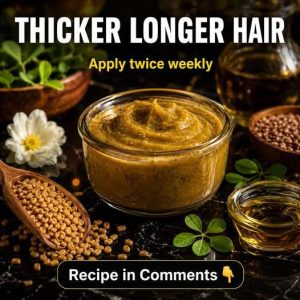
Remedy 1: Fenugreek and Pumpkin Seed Mask for Normal Scalp
Ingredients
- 2 teaspoons fenugreek seeds, soaked overnight
- 1 teaspoon cold-pressed pumpkin seed oil
- 1 teaspoon plain aloe vera gel
- 1 teaspoon unsweetened plain yogurt
- 1 teaspoon finely powdered oats
- 1–2 teaspoons clean water
Scientific Working of Each Ingredient
Pumpkin seed oil is the principal evidence-supported ingredient in this mask. In a randomized study involving women with pattern hair loss, topical pumpkin seed oil produced improvements in dermoscopic hair measurements after three months. Another placebo-controlled trial found improved hair counts after men consumed a standardized pumpkin seed oil preparation for 24 weeks, although eating a supplement is not equivalent to applying homemade oil.
Fenugreek creates a mucilaginous paste that can coat the strands and reduce tangling, but it should not be described as a clinically proven hair-growth treatment. Aloe supplies a lightweight base, yogurt helps soften the mixture, and finely powdered oats reduce friction while supporting scalp comfort. (PubMed)
Procedure
Drain the soaked fenugreek seeds and blend them with enough water to form a completely smooth paste. Pass it through a fine strainer so that seed particles do not become trapped in the hair. Mix in the pumpkin seed oil, aloe, yogurt and oat powder.
Apply a thin layer to the scalp and spread the remaining mask through the first few inches of hair. Massage gently for one minute, leave it on for 15 minutes and shampoo thoroughly with lukewarm water.
How Often to Apply
Use twice weekly for at least eight weeks. Stop if it causes persistent itching, redness or increased flaking.
Initial Results
After one to three applications, the hair may feel softer, smoother and easier to detangle. Changes in density or regrowth should not be expected during the first few days.
Remedy 2: Rosemary and Pumpkin Seed Split Treatment for Combination Scalp
Ingredients
- 1 teaspoon pumpkin seed oil
- 1 teaspoon sunflower or grapeseed oil
- 1 drop rosemary essential oil
- 1 teaspoon aloe vera gel
- 1 teaspoon colloidal oatmeal
- 1 teaspoon cooled boiled water
Scientific Working of Each Ingredient
Rosemary oil was compared with 2% minoxidil in a six-month randomized trial. Neither group experienced a significant hair-count increase at three months, while both improved at six months. This means rosemary requires patience and should never be advertised as an instant remedy. Pumpkin seed oil provides an additional ingredient with human evidence for female pattern hair loss.
The carrier oil dilutes the rosemary essential oil and reduces the risk of irritation. Aloe, oatmeal and water create a lighter mixture for oilier areas, preventing the entire scalp from being covered with a heavy oil layer. (PubMed)
Procedure
First, dilute the rosemary essential oil in the pumpkin and carrier oils. In another bowl, combine aloe, oatmeal and water.
Apply the aloe-oat mixture to the oilier crown and central scalp. Use a small amount of the diluted oil around dry hairlines and thinning areas. Massage lightly for two minutes, leave for 15 minutes and shampoo well.
How Often to Apply
Apply twice weekly for at least three months. Assess possible growth after six months rather than after several days.
Initial Results
Dry areas may feel more comfortable and the scalp may appear better balanced within one to three uses. New growth will require months and may not occur if the shedding has another medical cause.
Remedy 3: Black Tea, Honey and Pumpkin Scalp Pack for Oily Scalp
Ingredients
- 1 tablespoon strongly brewed, cooled black tea
- 1 teaspoon aloe vera gel
- 1 teaspoon colloidal oatmeal
- 1 teaspoon rice starch
- ½ teaspoon pure honey
- ½ teaspoon pumpkin seed oil
Scientific Working of Each Ingredient
Black tea contains caffeine, but brewed tea is much weaker than standardized topical caffeine preparations. A recent systematic review found that topical caffeine treatments showed promising hair-loss outcomes, while also emphasizing the need for larger and better-standardized trials.
Diluted honey has been studied in people with seborrheic dermatitis and dandruff. Regular application improved itching and scaling during the study, which may create a healthier environment for retaining hair. Honey does not directly generate new follicles. Aloe, oatmeal and rice starch give the treatment a lightweight texture, while the small quantity of pumpkin seed oil prevents an excessively greasy finish. (PubMed)
Procedure
Blend the cooled tea with aloe and honey. Add the oatmeal and rice starch, followed by pumpkin seed oil. Apply a thin layer to the scalp rather than coating the full hair length.
Leave it on for eight to ten minutes and shampoo before the mixture dries completely. Do not scratch or aggressively rub flaky areas.
How Often to Apply
Use twice weekly for three to four weeks. Persistent greasy scales or severe dandruff may require an antifungal treatment recommended by a clinician.
Initial Results
The scalp may feel fresher and less oily after washing. Mild itching or visible loose flakes may improve gradually, but meaningful hair-density changes will not occur within one to three days.
Remedy 4: Coconut and Honey Length-Retention Mask for Dry Scalp and Brittle Hair
Ingredients
- 1 tablespoon virgin coconut oil
- 1 teaspoon pure honey
- 1 teaspoon aloe vera gel
- 1 tablespoon plain yogurt
- 1 teaspoon colloidal oatmeal
- 2 drops vegetable glycerin
Scientific Working of Each Ingredient
Dry, fragile hair may appear to grow slowly because the ends keep breaking. Coconut oil has a low molecular weight and an affinity for hair proteins, allowing it to enter the hair shaft. Research comparing coconut, sunflower and mineral oils found that coconut oil was the only one that substantially reduced protein loss from both damaged and undamaged hair.
Honey and glycerin help retain moisture, while aloe and yogurt improve spreadability. Oatmeal gives the mask a soft texture without requiring rough exfoliation. This remedy supports length retention; it does not increase the number of active follicles. (PubMed)
Procedure
Soften the coconut oil between clean fingertips. Mix it with honey, aloe, yogurt, oatmeal and glycerin.
Apply a small quantity to the scalp and spread most of the treatment over the mid-lengths and ends. Leave for 15–20 minutes and shampoo carefully. Very fine hair may require two gentle washes.
How Often to Apply
Apply twice weekly for three to five weeks. Continue once weekly after the hair becomes easier to manage.
Initial Results
The strands may feel smoother after the first treatment. Reduced tangling and breakage can become noticeable over several washes, allowing more of the existing length to remain intact.
Remedy 5: Fragrance-Free Oat Mask for Sensitive Scalp
Ingredients
- 1 tablespoon cooled boiled water
- 1½ teaspoons colloidal oatmeal
- 1 teaspoon plain aloe vera gel
- ½ teaspoon virgin coconut oil
- 2 drops vegetable glycerin
- ¼ teaspoon honey, optional
Scientific Working of Each Ingredient
Sensitive scalps should not automatically be exposed to rosemary, onion, concentrated herbal extracts or strongly scented oils. Colloidal-oatmeal preparations have improved skin-barrier function and irritation in clinical research. Glycerol-containing scalp care has also improved hydration and dandruff-related barrier measurements after repeated use.
Coconut oil protects the strands from protein loss, while aloe and optional honey provide a soothing, spreadable base. This remedy is intended to reduce dryness and breakage rather than directly stimulate follicles. (PubMed)
Procedure
Soak the oatmeal in cooled boiled water for two minutes. Mix in the aloe, coconut oil, glycerin and optional honey.
Patch-test the mixture for 24 hours. Apply a thin layer for five to eight minutes and rinse without vigorous massage.
How Often to Apply
Use once or twice weekly for two weeks. Discontinue it if redness, swelling, burning or increased itching occurs.
Initial Results
Tightness and dryness may feel better after one to three applications. This gentle mask is not expected to produce visible regrowth within a few days.
Final Tips for Thicker and Longer-Looking Hair
Massage the scalp gently rather than using fingernails. A small study involving nine men reported increased hair thickness after four minutes of standardized daily massage for 24 weeks, but it did not show a significant improvement in hair-growth rate or density. The evidence remains preliminary. (PubMed)
Avoid tight ponytails, frequent bleaching, excessive heat and forceful detangling. Patch-test essential oils and never apply undiluted rosemary oil. Clean combs, towels and pillowcases regularly.
A softer scalp and smoother strands may become noticeable within two or three days. Reduced breakage generally takes several weeks, while possible density improvement should be judged after three to six months.
Continue a tolerated remedy for at least eight to twelve weeks. See a dermatologist if hair loss persists, rapidly worsens or occurs with round bald patches, scalp pain, pus, thick scales, scarring, eyebrow loss or widening of the central part.
Diet Plan for Supporting Hair Growth
Follow a balanced diet for at least three months because hair follicles require a reliable supply of protein and micronutrients.
For breakfast, choose eggs, unsweetened yogurt, oatmeal or beans with vitamin-C-rich fruit. At lunch, eat fish, chicken, lentils or chickpeas with leafy vegetables and whole-grain bread or brown rice. For a snack, choose fruit with pumpkin seeds, walnuts or almonds. Dinner should contain another protein source with vegetables such as spinach, broccoli, carrots or peppers.
Include iron-rich foods such as lentils, beans, meat and leafy greens, and obtain zinc from meat, seafood, dairy, legumes, nuts or seeds. Vitamin D and iron abnormalities have been associated with some forms of hair loss, but research is not completely consistent. Do not begin iron, zinc, vitamin D or biotin supplements without medical advice and appropriate testing because excessive supplementation can be harmful or interfere with laboratory results. (PubMed)
Continue the diet and scalp routine for at least 12 weeks. When shedding remains excessive, ask a doctor about possible thyroid problems, iron deficiency, vitamin D deficiency, hormonal conditions, recent illness, medication effects or telogen effluvium.
References for the above remedy
- Ibrahim IM, et al. Pumpkin seed oil versus minoxidil for female pattern hair loss.
https://pubmed.ncbi.nlm.nih.gov/33544448/ - Cho YH, et al. Effect of pumpkin seed oil on hair growth in men with androgenetic alopecia.
https://pubmed.ncbi.nlm.nih.gov/24864154/ - Panahi Y, et al. Rosemary oil versus minoxidil 2% for androgenetic alopecia.
https://pubmed.ncbi.nlm.nih.gov/25842469/ - Rele AS, Mohile RB. Coconut oil and prevention of hair protein loss.
https://pubmed.ncbi.nlm.nih.gov/12715094/ - Al-Waili NS. Effects of crude honey on seborrheic dermatitis and dandruff.
https://pubmed.ncbi.nlm.nih.gov/11485891/ - Koyama T, et al. Standardized scalp massage and hair thickness.
https://pubmed.ncbi.nlm.nih.gov/26904154/ - Capone K, et al. Colloidal oatmeal and skin-barrier properties.
https://pubmed.ncbi.nlm.nih.gov/32484623/ - Harding CR, et al. Glycerol-containing scalp care for dandruff and hydration.
https://pubmed.ncbi.nlm.nih.gov/25134312/ - Almohanna HM, et al. The role of vitamins and minerals in hair loss.
https://pubmed.ncbi.nlm.nih.gov/30547302/ - Evstatieva Y, et al. Caffeine supplementation and hair: a systematic review.
https://pubmed.ncbi.nlm.nih.gov/41187241/