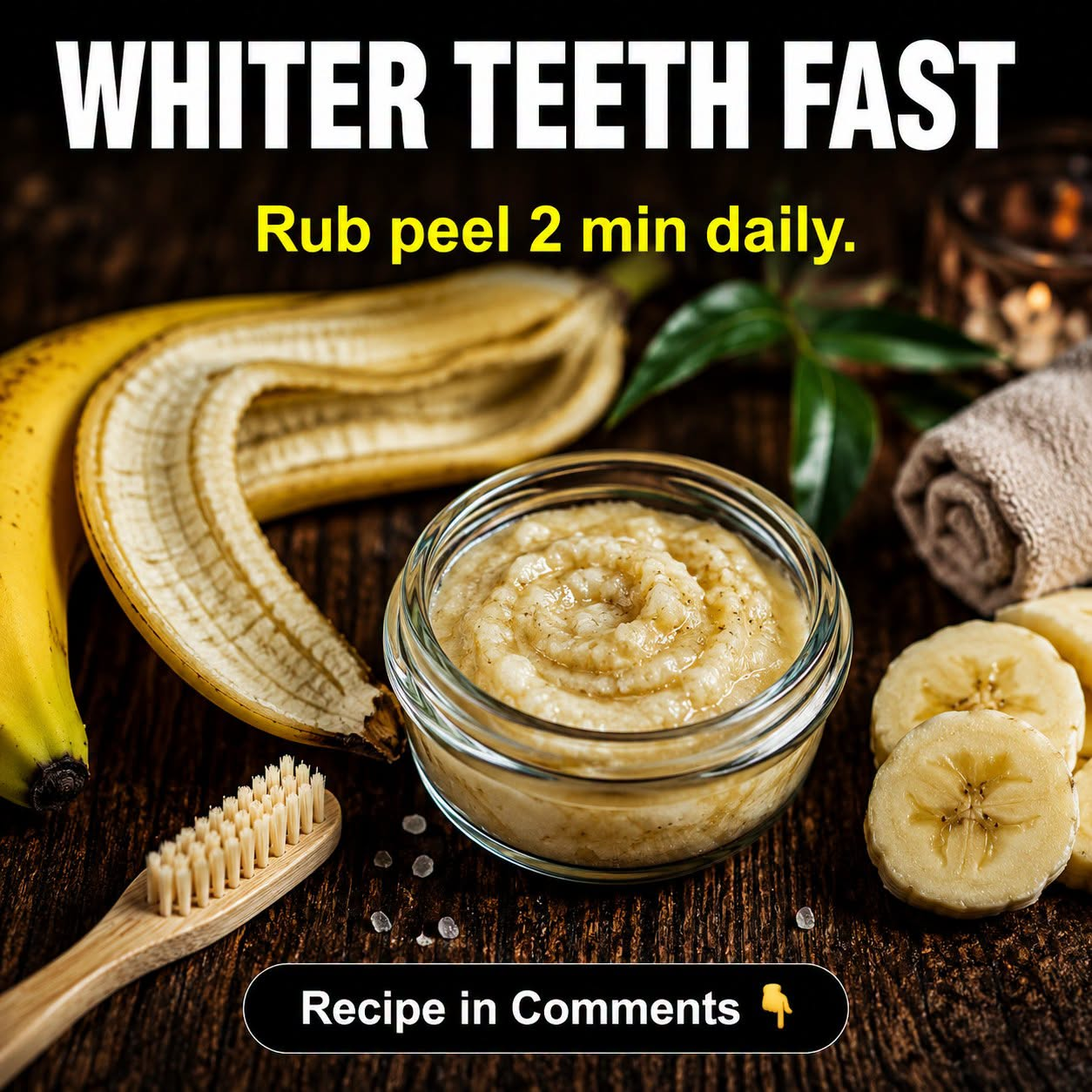
A bright, clean smile can improve appearance and confidence, which is why quick home teeth-whitening remedies are widely shared online. One popular claim recommends rubbing the inside of a banana peel on the teeth for two minutes every day. However, “natural” does not automatically mean scientifically proven. Laboratory research has found that banana peel produces little or no meaningful bleaching compared with established whitening methods. It may leave the teeth feeling smoother temporarily, but there is no strong clinical evidence that minerals from banana peel enter the enamel and make teeth several shades whiter.
The safest home approach is to remove plaque and prevent new surface stains without damaging enamel. The routines below are designed for different oral needs. They use simple foods and home-care habits, but they do not replace brushing with fluoride toothpaste, daily cleaning between the teeth, or professional dental care. Do not mix all listed items into one paste.
Does Rubbing Banana Peel Whiten Teeth?
Banana peel contains naturally occurring plant compounds and minerals, but the presence of potassium or magnesium does not prove that these substances can bleach tooth enamel. A 2024 laboratory study reported that banana peel had only a modest and statistically insignificant whitening effect. A later laboratory comparison also found that banana peel was much less effective than carbamide-peroxide whitening.
The banana itself can still be included in a balanced diet, but rubbing the peel on the teeth should not be promoted as a clinically proven whitening treatment. True bleaching changes tooth color chemically, while daily oral hygiene mainly removes plaque and external stains. (Ada)
Remedy 1: Gentle Brightening Routine for Normal Teeth
Items and Their Scientific Benefits
- Soft-bristled toothbrush: one clean brush to remove plaque without excessive abrasion.
- Fluoride toothpaste: a pea-sized amount to strengthen enamel and help prevent tooth decay.
- Plain water: one glass after meals to wash away food residue and dilute acids.
- Dental floss: approximately 40–45 cm for cleaning areas the toothbrush cannot reach.
- One small apple or carrot: eat normally as part of a meal for fiber and saliva stimulation.
- Plain yogurt: half a cup as a calcium-containing food that supports healthy teeth.
Scientific Working of the Routine
Plaque creates a dull film that can make teeth look less bright. Gentle brushing cleans visible tooth surfaces, while floss removes trapped material between teeth. Water helps clear leftover food and reduces prolonged contact with staining substances. Fluoride does not bleach teeth, but it protects enamel, which is important because damaged or thinning enamel can make the yellow dentin underneath more noticeable. (MouthHealthy)
Procedure
Brush gently for two minutes in the morning and before sleeping. Clean between the teeth once daily. Drink water after meals and after tea or coffee. Eat the apple or carrot instead of rubbing fruit directly on the teeth.
How Often to Apply
Continue daily for at least 7–14 days and maintain the routine long term.
Initial Results
Within one to three days, the mouth may feel cleaner and fresher, and soft plaque may become less noticeable. A major change in natural tooth shade should not be expected this quickly.
Remedy 2: Surface-Stain Routine for Tea and Coffee Drinkers
Items and Their Scientific Benefits
- Baking-soda-containing fluoride toothpaste: a pea-sized amount for gentle surface-stain removal.
- Soft toothbrush: one brush for controlled cleaning.
- Plain water: one glass after tea or coffee.
- Dental floss: one daily length for stain-holding plaque between teeth.
- Sugar-free chewing gum: one piece after a meal when brushing is not possible.
- Plain milk: a small serving with meals, when suitable for the individual.
Scientific Working of the Routine
Tea, coffee and other dark drinks can contribute to external staining. Baking-soda-based toothpastes have evidence for removing surface stains when used in properly formulated toothpaste. This is different from aggressively scrubbing with loose baking soda, which may be difficult to use safely and does not provide fluoride protection. (ScienceDirect)
Chewing sugar-free gum increases saliva flow. Saliva helps wash away food debris, neutralize acids and supply calcium and phosphate to the mouth. (MouthHealthy)
Procedure
Brush for two minutes twice daily using a properly formulated fluoride toothpaste containing baking soda. Rinse the mouth with plain water immediately after drinking tea or coffee. Clean between the teeth at night. Chew one piece of sugar-free gum for up to 20 minutes after a meal when appropriate.
How Often to Apply
Follow for two to four weeks. Do not scrub the teeth with dry baking soda, salt or rough powders.
Initial Results
Teeth may feel smoother within two or three days. Mild external stains may gradually become less visible, but deeper discoloration usually requires dental assessment or professional whitening.
Remedy 3: Plaque-Control Routine for Teeth That Look Dull or Yellow
Items and Their Scientific Benefits
- Fluoride toothpaste: one pea-sized amount.
- Soft toothbrush: one clean brush.
- Dental floss or an interdental cleaner: one daily use.
- Plain water: six to eight glasses throughout the day according to personal needs.
- Cucumber: half a cup with meals as a high-water food.
- Carrot sticks: a small serving as part of a balanced meal.
Scientific Working of the Routine
Some teeth appear dull because of plaque buildup rather than true discoloration. A toothbrush cannot fully clean the spaces between teeth, so daily interdental cleaning is necessary. Consistent brushing and flossing reduce the visible film that traps pigments from foods and drinks. (MouthHealthy)
Water does not chemically whiten enamel, but it washes away residue and dilutes acids. This may help maintain a cleaner-looking smile and protect enamel from unnecessary damage. (MouthHealthy)
Procedure
Brush every tooth surface gently for two minutes. Floss once daily, especially around teeth where staining is visible near the gumline. Drink water after meals. Eat cucumber and carrots normally; do not grind them into a tooth scrub.
How Often to Apply
Use daily for at least 14 days and continue as a permanent oral-care habit.
Initial Results
A cleaner mouth and reduced soft film may be noticed within one to three days. Hardened tartar cannot be removed at home and requires professional cleaning.
Remedy 4: Gentle Routine for Dry Mouth and Easily Stained Teeth
Items and Their Scientific Benefits
- Plain water: regular small sips throughout the day.
- Sugar-free chewing gum: one piece after meals.
- Cucumber or melon: one cup as a water-rich snack.
- Plain yogurt: half a cup for moisture, calcium and protein.
- Soft toothbrush: one brush to reduce irritation.
- Fluoride toothpaste: a pea-sized amount for cavity protection.
Scientific Working of the Routine
Saliva naturally cleans the mouth and helps control acids. When the mouth is dry, food particles and pigments may remain on teeth longer. Regular water intake and sugar-free gum can support moisture and stimulate saliva production. (MouthHealthy)
Dry mouth also increases the risk of tooth decay, so fluoride toothpaste remains important even when the main goal is a brighter smile.
Procedure
Sip water regularly rather than drinking sweet beverages. Chew sugar-free gum after meals when safe to do so. Brush gently twice daily. Choose moist foods such as yogurt, cucumber or melon.
How Often to Apply
Follow daily for two to three weeks. Persistent dry mouth should be discussed with a dentist or doctor because medicines and some health conditions can reduce saliva production. (nhs.uk)
Initial Results
The mouth may feel more comfortable and fresher within one to three days. Reduced dryness may make the teeth appear cleaner, but it will not bleach their natural color.
Remedy 5: Enamel-Safe Routine for Sensitive Teeth
Items and Their Scientific Benefits
- Soft-bristled toothbrush: one brush for gentle cleaning.
- Fluoride toothpaste suitable for sensitive teeth: a pea-sized amount.
- Lukewarm water: one glass for rinsing after meals.
- Plain yogurt: half a cup as a calcium-rich food.
- Cheese: one small portion with a meal, when suitable.
- Dental floss: one daily length used gently.
Scientific Working of the Routine
Sensitivity may occur when enamel is worn or the tooth root becomes exposed. Strong whitening agents and harsh home scrubs may increase discomfort. Fluoride supports enamel protection, while gentle brushing reduces unnecessary wear. Dairy foods provide calcium and phosphorus as part of a tooth-supportive diet. (MouthHealthy)
Acidic ingredients such as lemon juice and vinegar should not be rubbed on sensitive teeth. Repeated acid exposure can erode enamel, contribute to sensitivity and make teeth appear more yellow as the underlying dentin becomes more visible. (MouthHealthy)
Procedure
Brush gently twice daily without pressing hard. Floss carefully once a day. Rinse with plain lukewarm water after acidic foods or staining drinks. Avoid homemade lemon, vinegar, charcoal, salt and fruit-scrub mixtures.
How Often to Apply
Continue daily for at least two weeks. Stop any whitening method that causes pain, burning or prolonged sensitivity.
Initial Results
The teeth may feel cleaner within two or three days. Sensitivity improvement varies and may take longer. One dark tooth, severe sensitivity or sudden color change should be examined by a dentist.
Final Tips for Maintaining Naturally Cleaner and Brighter Teeth
Brush twice daily for two minutes and clean between the teeth once a day. Keep the toothbrush clean and replace it when the bristles become worn. Drink plain water after coffee, tea and strongly colored foods. Limit frequent sugary snacks and acidic drinks. Do not smoke or use tobacco because tobacco can contribute to staining and gum disease. (MouthHealthy)
Do not use lemon juice, orange peel, apple cider vinegar, charcoal, rough salt or concentrated homemade peroxide mixtures. Acid can permanently weaken enamel, while excessively abrasive scrubbing can expose the naturally yellow dentin below. (MouthHealthy)
Visible improvement in cleanliness and surface shine may begin within two or three days, but natural tooth color generally will not become several shades whiter in that time. Clinically effective whitening may require professionally recommended peroxide treatment, and temporary sensitivity or gum irritation can occur. (Ada)
Diet Plan for Healthy, Cleaner-Looking Teeth
Morning
Drink one glass of plain water after waking. Eat eggs, oats or whole-grain food with plain yogurt or milk. Brush after breakfast according to your usual dental routine.
Mid-Morning
Choose cucumber, carrot, an apple or another fresh food instead of sticky sweets. Drink plain water.
Lunch
Include vegetables, protein such as beans, lentils, fish, chicken or eggs, and a calcium-containing food where suitable. Drink water with the meal.
After Lunch
Chew sugar-free gum for up to 20 minutes when brushing is not possible. Avoid continuously sipping sweet tea, soft drinks or sugary coffee.
Evening
Choose a small portion of plain yogurt, cheese, nuts or fresh fruit rather than sticky sweets and dried fruit.
Dinner
Eat a balanced meal containing vegetables, protein and whole grains. Drink water afterward. Brush for two minutes before sleeping and clean between the teeth.
How Long Should You Continue?
Follow the home-care routine consistently for at least two weeks. Continue brushing, flossing and healthy dietary habits permanently. Surface cleanliness may improve within a few days, while stain reduction usually develops gradually.
When discoloration remains after two to four weeks, or when there is tooth pain, bleeding gums, persistent sensitivity, white or brown spots, bad breath, a single dark tooth, cavities or dry mouth, see a dentist. Professional whitening should only be considered after the teeth and gums have been examined and found healthy. (nhs.uk)
References for the above remedy
- American Dental Association. “Natural Teeth Whitening: Fact vs. Fiction.”
https://www.mouthhealthy.org/all-topics-a-z/natural-teeth-whitening - Alrabiah A, et al. “Effect of Banana Peels on Dental Bleaching: An In Vitro Study.” Annals of Dental Specialty, 2024.
https://annalsofdentalspecialty.net.in/storage/files/article/83b6cc51-f84f-442d-b1d8-a231602a81af-toHVimrVFAhHQrrW/wKcqtN4WWpQ1lgO.pdf - Lee S, et al. “Efficacy of Natural Teeth Whitening Remedies: Pineapple and Banana.” American Journal of Dentistry, 2025.
https://amjdent.com/Archive/Special%20Issues/2025/September%202025%20AJD%20Special%20Issue/Lee%20Am%20J%20Dent%20Sept%20Sp%20Is%202025%20p%2016A-19A.pdf - American Dental Association. “Whitening.”
https://www.ada.org/resources/ada-library/oral-health-topics/whitening - Li Y. “Stain Removal and Whitening by Baking Soda Dentifrice: A Review of Literature.” Journal of the American Dental Association, 2017.
https://doi.org/10.1016/j.adaj.2017.09.006 - American Dental Association. “Brushing Your Teeth.”
https://www.mouthhealthy.org/all-topics-a-z/brushing-your-teeth - American Dental Association. “Chewing Gum and Oral Health.”
https://www.mouthhealthy.org/all-topics-a-z/chewing-gum - American Dental Association. “Erosion: What You Eat and Drink Can Impact Teeth.”
https://www.mouthhealthy.org/all-topics-a-z/dietary-acids-and-your-teeth - National Health Service. “Teeth Whitening.”
https://www.nhs.uk/tests-and-treatments/teeth-whitening/