A bright smile can improve confidence, but healthy teeth naturally come in many shades, including ivory, cream, and light yellow. Tooth color is influenced by enamel thickness, the yellowish dentin underneath, age, genetics, food and drink stains, tobacco use, plaque buildup, medicines, and previous dental treatment. Surface stains may gradually improve with better cleaning, while deeper discoloration usually needs professional bleaching. True whitening treatments commonly use hydrogen peroxide or carbamide peroxide, and they do not change the color of fillings, crowns, veneers, or other tooth-colored restorations. (ADA)
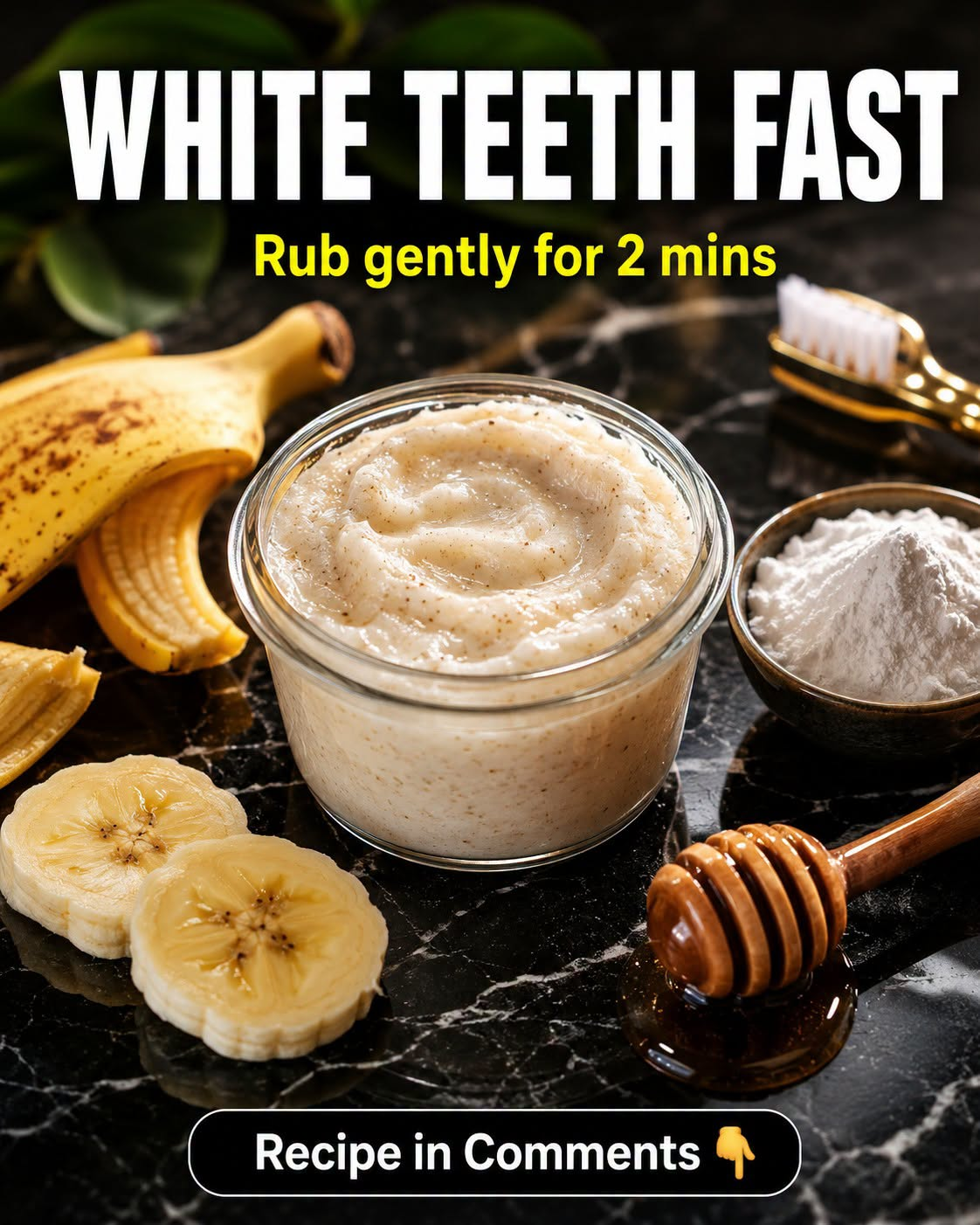
The image shows banana, honey, and a white powder, but rubbing banana peel or honey on the teeth is not a clinically proven whitening treatment. Honey contains sugar and should not be left coating the teeth. Raw baking soda should also not be rubbed aggressively on enamel. Evidence supports professionally formulated baking-soda toothpastes because their abrasiveness, fluoride content, and cleaning performance are controlled. Baking-soda dentifrices can help remove external stains, but they do not bleach deep internal discoloration. (PubMed)
Acidic ingredients such as lemon, orange juice, vinegar, and fruit pastes should never be used as tooth-whitening scrubs. Prolonged acid exposure can soften and wear enamel. As enamel becomes thinner, the naturally yellow dentin underneath may become more visible, making teeth appear darker rather than whiter. (MouthHealthy)
Because teeth do not have skin types, the following routines are adapted for different tooth and mouth conditions.
Remedy 1: Gentle Baking-Soda Brushing Routine for Normal Teeth
This routine is suitable for adults with generally healthy teeth and gums who want to reduce mild external stains from everyday food and drinks.
Ingredients and Their Scientific Working
Soft-bristled toothbrush: Soft bristles remove plaque while reducing the risk of gum injury and excessive surface wear.
Fluoride toothpaste containing baking soda — a pea-sized amount: Baking soda helps loosen and remove external stains. Research reviews have found baking-soda dentifrices effective for stain removal and surface whitening. Fluoride strengthens enamel and helps prevent tooth decay. (PubMed)
Clean drinking water — 1 glass: Water helps wash away food particles and stain-producing residue.
Dental floss or an interdental cleaner: Cleaning between the teeth removes plaque from areas a toothbrush cannot reach.
Sugar-free xylitol gum — 1 piece: Chewing stimulates saliva, which helps dilute acids and wash food residue from the mouth. (ADA)
Clean tongue scraper: Removing tongue coating may improve mouth freshness and reduce visible buildup.
Procedure
Brush gently for two full minutes in the morning and before bed. Move the brush in small strokes and clean the outer, inner, and chewing surfaces. Do not press hard.
At night, clean between the teeth before brushing. Spit out excess toothpaste but do not repeatedly rinse the mouth with large amounts of water immediately afterward.
After meals, rinse the mouth with plain water. Sugar-free gum may be chewed for about 10 minutes when brushing is not possible.
How Often to Apply
Follow the routine every day for at least two to four weeks. Continue twice-daily brushing permanently for oral health.
Initial Results
Within one to three days, the teeth may feel cleaner and smoother because plaque and food residue are reduced. Mild surface stains usually require several weeks rather than one application.
Remedy 2: Tea and Coffee Surface-Stain Control Routine
Tea and coffee contain colored compounds that can collect on the tooth surface. Preventing repeated stain exposure is often more effective than scrubbing aggressively after discoloration develops.
Ingredients and Their Scientific Working
Fluoride baking-soda toothpaste — a pea-sized amount: Helps remove accumulated external stain while protecting enamel.
Soft toothbrush: Cleans the enamel without harsh scraping.
Plain water — 1 glass after tea or coffee: Rinsing reduces the amount of colored residue that remains in contact with the teeth.
Sugar-free xylitol gum — 1 piece: Stimulates saliva and helps clear food and drink residue. (ADA)
Dental floss: Removes stain-holding plaque from the spaces between teeth.
Reusable straw for cold staining drinks: A straw may reduce direct contact between some drinks and the front teeth, although it does not completely prevent staining.
Procedure
Drink tea or coffee during meals rather than sipping continuously for several hours. After finishing, rinse the mouth thoroughly with water.
Wait approximately 30 minutes before brushing if the drink was acidic. Brush twice daily using gentle pressure. Floss once each day.
Do not add lemon to a homemade tooth scrub, and do not brush with coffee grounds, salt, or dry baking soda.
How Often to Apply
Follow the routine daily for at least four weeks. Continue as long as tea or coffee remains part of the diet.
Initial Results
The mouth may feel cleaner within one to three days. Existing dark surface stains may gradually become lighter over two to six weeks. Heavy staining may require professional dental cleaning.
Remedy 3: Sensitivity-Safe Brightening Routine
People who experience pain from cold water, sweets, brushing, or air should avoid strong whitening treatments until the cause of sensitivity has been assessed. Whitening products may temporarily increase tooth sensitivity. (PubMed)
Ingredients and Their Scientific Working
Extra-soft toothbrush: Reduces unnecessary pressure on exposed or sensitive areas.
Fluoride desensitizing toothpaste — a pea-sized amount: Toothpastes containing ingredients such as stannous fluoride or potassium compounds may reduce dentin sensitivity with continued use. (PubMed)
Lukewarm water — 1 glass: Avoids triggering discomfort caused by very hot or cold water.
Dental floss or a small interdental cleaner: Removes plaque without requiring aggressive brushing.
Sugar-free gum — 1 piece: Supports saliva production and helps neutralize acids.
Plain drinking water after meals: Washes away residue without exposing sensitive teeth to harsh acids.
Procedure
Brush for two minutes with light pressure. Do not scrub horizontally along the gumline. Use lukewarm water if cold water causes pain.
For the first two weeks, focus on sensitivity control rather than rapid whitening. Do not use raw peroxide, lemon juice, charcoal, or homemade baking-soda paste.
When sensitivity improves, ask a dentist whether a gentle whitening toothpaste or supervised whitening treatment is suitable.
How Often to Apply
Use the sensitivity routine twice daily for at least two to four weeks.
Initial Results
Some people notice less discomfort within several days, although significant improvement may require several weeks. Teeth may look cleaner during the first three days, but strong whitening should not be expected.
Remedy 4: Saliva-Support Routine for Dry Mouth
Saliva naturally washes the teeth, dilutes acids, and helps protect enamel. Dry mouth may increase the risk of plaque accumulation, tooth decay, and an unhealthy-looking surface. (ADA)
Ingredients and Their Scientific Working
Plain water — small regular sips: Keeps the mouth moist and helps rinse away food particles.
Sugar-free xylitol gum — 1 piece: Stimulates saliva and may support protection against tooth decay. (NIDCR)
Fluoride toothpaste — a pea-sized amount: Strengthens enamel and is especially important when saliva flow is reduced.
Soft-bristled toothbrush: Provides effective cleaning while being gentle on dry oral tissues.
Dental floss or interdental brushes: Removes plaque from areas that saliva and brushing may not clean adequately.
Alcohol-free fluoride mouth rinse: May provide additional enamel protection when recommended by a dentist. Use it at a different time from brushing.
Procedure
Sip plain water regularly throughout the day. Chew sugar-free gum after meals if chewing is comfortable.
Brush gently twice daily and clean between the teeth once daily. Avoid alcohol-containing mouth rinses, tobacco, and frequent sugary sweets because they may worsen oral dryness or increase decay risk.
How Often to Apply
Continue every day. Dry mouth is an ongoing condition and may require professional assessment.
Initial Results
The mouth may feel fresher and more comfortable within one to three days. Increased moisture can reduce sticky surface buildup, but it does not bleach the natural tooth color.
Remedy 5: Gum-Friendly Cleaning Routine for Sensitive or Bleeding Gums
Bleeding gums are often a sign of inflammation and should not be treated with harsh whitening powders. Improving plaque control may make the entire smile appear cleaner and healthier.
Ingredients and Their Scientific Working
Extra-soft toothbrush: Cleans around the gumline with less risk of irritation.
Fluoride toothpaste — a pea-sized amount: Protects enamel and helps maintain oral health.
Dental floss or an appropriately sized interdental brush: Removes plaque between teeth, where gum inflammation commonly develops.
Warm plain water — 1 glass: Provides a comfortable rinse without acid or abrasive particles.
Sugar-free xylitol gum — 1 piece: Stimulates saliva after meals.
Baking-soda fluoride toothpaste: This may be introduced after gum tenderness improves because formulated baking-soda toothpaste can assist with surface stain removal. (PubMed)
Procedure
Brush gently along the gumline for two minutes. Clean between the teeth once daily. Mild bleeding may occur when inflamed areas are first cleaned, but persistent or heavy bleeding needs dental assessment.
Rinse with plain water after meals. Do not rub the gums with salt, lemon, charcoal, or concentrated baking soda.
How Often to Apply
Follow the routine daily for at least two weeks. Continue regular brushing and interdental cleaning afterward.
Initial Results
The mouth may feel cleaner within one to three days. Gum inflammation often requires longer improvement, and tooth color will change only if removable surface buildup was contributing to the dull appearance.
What About Banana Peel, Honey, Coconut Oil, and Charcoal?
Banana peel is popular in social-media whitening recipes, but laboratory experiments do not provide strong clinical proof that rubbing fresh peel on living teeth produces meaningful or lasting whitening. Homemade methods are also difficult to standardize. (PMC)
Honey should not be used as a leave-on tooth treatment because frequent sugar exposure contributes to the conditions that cause dental decay. (ADA)
Coconut oil pulling may have limited evidence as an additional oral-hygiene practice, but reliable evidence that it whitens teeth is lacking. It must never replace brushing with fluoride toothpaste or cleaning between the teeth. (PubMed)
Charcoal products have shown lower whitening performance than other options and may have concerns related to abrasiveness. (PubMed)
Final Tips for Whiter-Looking Teeth
Brush twice daily for two minutes with fluoride toothpaste and clean between the teeth once each day. These habits help maintain a clean tooth surface and reduce plaque buildup. (ADA)
Limit continuous sipping of coffee, black tea, dark-colored drinks, and sugary beverages. Rinse with water after consuming staining foods or drinks.
Do not use lemon juice, vinegar, activated charcoal powder, salt scrubs, bleach, concentrated peroxide, or rough homemade pastes. Acid can weaken enamel, while excessive abrasion may expose more yellow dentin. (MouthHealthy)
A professional dental cleaning may be needed when discoloration is caused by hardened tartar or heavy external stain. If deeper whitening is desired, a dentist can first check for cavities, gum disease, exposed roots, cracked teeth, or restorations. Dentist-supervised whitening is considered the safest approach. (nhs.uk)
Diet Plan for Healthy, Bright-Looking Teeth
A healthy diet supports enamel and gum health but does not chemically bleach teeth.
Breakfast: Choose eggs, unsweetened oatmeal, plain yogurt, or whole-grain bread. Drink water or unsweetened milk.
Mid-morning: Eat fresh fruit as part of a meal rather than rubbing fruit directly on the teeth. Rinse with water after acidic fruits.
Lunch: Include vegetables, lentils, beans, fish, chicken, eggs, or lean meat. Drink plain water with the meal.
Evening snack: Choose unsalted nuts, cheese, cucumber, carrots, or plain yogurt instead of sticky sweets.
Dinner: Eat vegetables with a protein source and limit frequent sugary desserts.
Daily habits: Reduce the frequency of sugary snacks and sweet drinks. The repeated exposure of teeth to sugar is associated with a greater risk of dental decay. (ADA)
Continue the cleaning routine permanently. Evaluate surface-stain improvement after four to six weeks rather than expecting major shade changes within two minutes or three days.
See a dentist if discoloration affects only one tooth, develops suddenly, occurs with pain, sensitivity, cavities, bleeding gums, swelling, bad breath, or does not improve after several weeks of good oral care. A grey, brown, or unusually dark single tooth may have an internal cause and should not be treated only with home remedies.
References for the above remedy
- American Dental Association. Natural Teeth Whitening: Fact vs. Fiction.
https://www.mouthhealthy.org/all-topics-a-z/natural-teeth-whitening - American Dental Association. Whitening.
https://www.ada.org/resources/ada-library/oral-health-topics/whitening - Li Y. Stain Removal and Whitening by Baking Soda Dentifrice: A Review of Literature.
https://pubmed.ncbi.nlm.nih.gov/29056186/ - American Dental Association. Home Oral Care.
https://www.ada.org/resources/ada-library/oral-health-topics/home-care - Abidia RF, et al. In Vitro Comparison of Natural Tooth-Whitening Remedies and Professional Tooth-Whitening Systems.
https://pubmed.ncbi.nlm.nih.gov/36942206/ - American Dental Association. Xerostomia: Dry Mouth.
https://www.ada.org/resources/ada-library/oral-health-topics/xerostomia - American Dental Association. Chewing Gum and Oral Health.
https://www.ada.org/resources/ada-library/oral-health-topics/chewing-gum - Bae JH, et al. Desensitizing Toothpaste Versus Placebo for Dentin Hypersensitivity: A Systematic Review and Meta-Analysis.
https://pubmed.ncbi.nlm.nih.gov/25483802/ - Tomás DBM, et al. Effectiveness and Abrasiveness of Activated Charcoal as a Whitening Agent.
https://pubmed.ncbi.nlm.nih.gov/36183933/ - National Health Service. Teeth Whitening.
https://www.nhs.uk/tests-and-treatments/teeth-whitening/